



Bachelor of Arts in Psychology
Study the mind and explore human behavior with a psychology major.
Get Started Today
Ready to learn more about Concordia University Irvine?
Complete this form, and an admissions counselor will connect with you.
"*" indicates required fields
Explore the Human Mind
Dive into one of today’s most fascinating and versatile fields with a psychology major at Concordia University Irvine.
You’ll study how people think, feel, and act — and learn how biology, environment, and experience all shape human behavior. Through a blend of theory, research, and hands-on exploration, you’ll gain insight into what drives people and how that understanding can be used to help others.
At Concordia, you’ll also explore psychology through a Christian lens, learning to view the human mind with empathy, purpose, and respect for God’s design. Along the way, you’ll develop the skills employers value most: critical thinking, communication, data analysis, and problem-solving.
Career Relevant
Gain real-world skills for a life of service and leadership.
Collaborative Classes
Learn in classes with a 15:1 student-to-faculty ratio.
Opportunity Awaits
Get practical, hands-on experience outside the classroom.
Getting Started
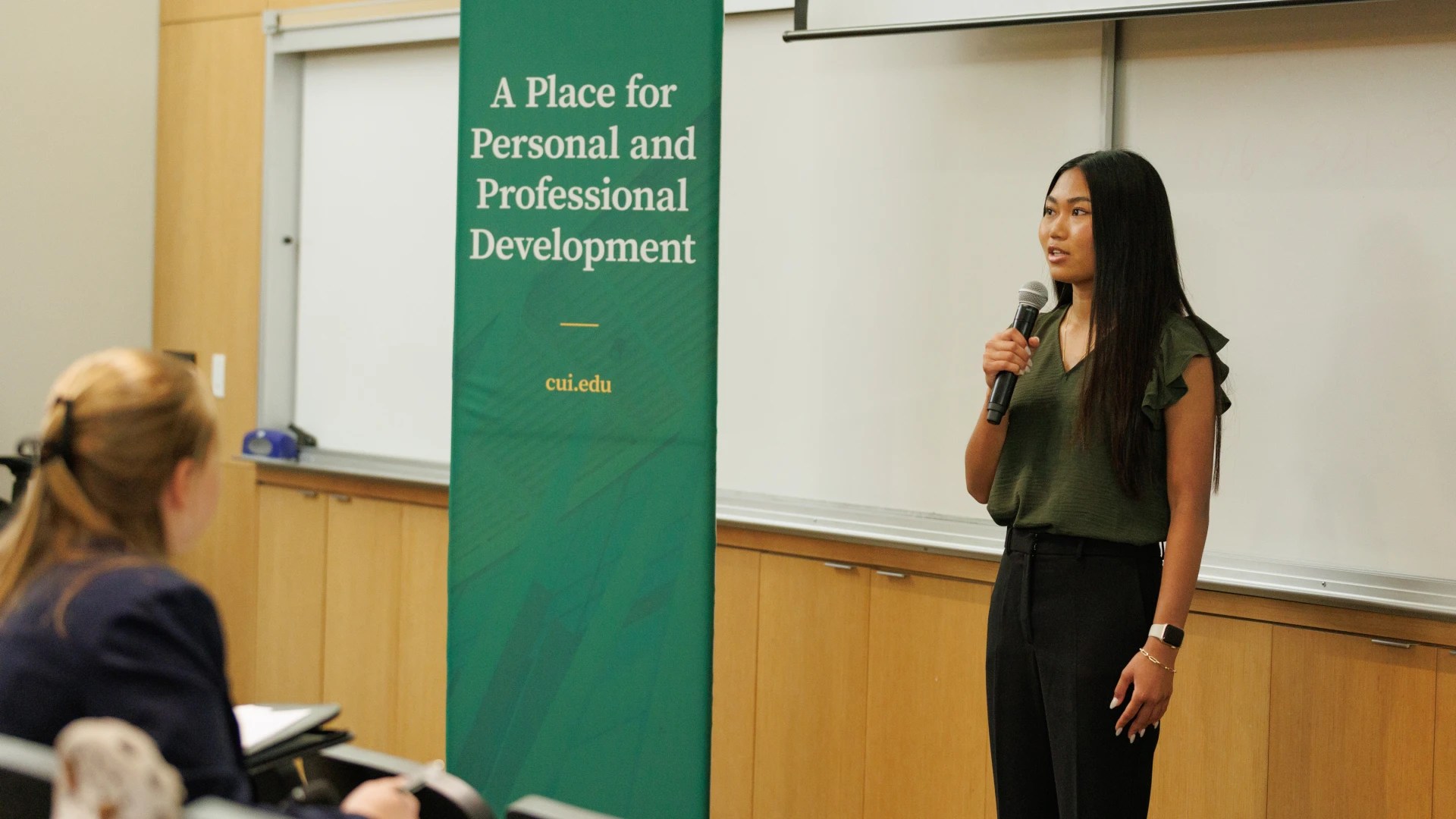
Psychology is the scientific study of the brain, mind, and behavior. At Concordia, you’ll explore questions about thought, emotion, and motivation while learning how to apply psychological principles to real-world issues.
The psychology major covers key areas like biopsychology, social psychology, personality theory and cognition, and research methods. You’ll have the freedom to choose courses that interest you, from human sexuality and marriage to lifespan development and forensic psychology.
Next Start
January 11, 2027
Curriculum
Core Curriculum (Sample Courses):
- BSC265 – Statistics for the Behavioral Sciences
- BSC296 – Introduction to Research Methods
- PSY340 – Introduction to Biopsychology
- PSY345 – Social Psychology
- PSY351 – Personality Theory
- PSY361 – Abnormal Psychology
- PSY371 – Cognition
- PSY390 – Practicum: Psychology
- PSY403 – Health Psychology
View the Concordia University Irvine Online Catalog for a full list of courses.
With a psychology degree, you’ll be prepared to:
- Write and speak in genres appropriate to the behavioral sciences.
- Summarize and evaluate literature to demonstrate critical understanding of content, theories, and methods.
- Demonstrate understanding of statistical concepts, perform calculations successfully, and apply problem-solving strategies to analyze statistical data and draw appropriate conclusions.
- Illustrate how a Christian worldview interrelates with and complements the scientific study of human behavior.
- Examine the different components of sociocultural and international diversity.
Tuition and Fees
At Concordia, we understand that investing in your education is a significant decision. That’s why we offer a variety of scholarships and financial aid options to help make your academic journey more affordable. In fact, 100% of our students receive some form of financial assistance! View tuition costs and fees for undergraduate programs.
Admission Requirements
View the Application page for full details on application and admission requirements.
Nationally Recognized Q&I Curriculum
Concordia University Irvine is among a distinctive group of universities that offer a comprehensive liberal arts curriculum for all of its students. Our nationally recognized Enduring Questions & Ideas curriculum (Q&I, for short) is carefully crafted so that you discover the purpose of a liberal arts education — to grow intellectually, ethically, and spiritually.


Career Outcomes
A psychology degree opens the door to a wide range of fulfilling careers that center on understanding people, improving lives, and shaping organizations.
Many graduates work in human services, education, business, and healthcare, while others continue to graduate study. In fact, as of 2023, over half of psychology majors pursue advanced degrees to deepen their expertise and expand their career options.1
Common career paths for psychology majors include:
- Case Manager or Social Services Coordinator
- Childcare Worker
- Human Resources Specialist
- Market Researcher or Advertiser
- Career or Academic Counselor
- Psychiatric Technician
- Clinical or Forensic Psychologist (with advanced degree)
- Developmental or School Psychologist (with advanced degree)
- Marriage and Family Therapist (with advanced degree)
Academic Opportunities
As a psychology major, you’ll get to work closely with the Sociology, Anthropology, and Behavioral Science Departments to expand your studies through research, interdisciplinary collaboration, and complementary programs, such as:
You may also be interested in transitioning to one of our graduate programs in Organizational Leadership or Counseling at the Townsend Institute at Concordia.
Extracurricular Activities
Learning extends beyond the classroom at Concordia through campus and community involvement. Psychology majors participate in service projects, research presentations, and global travel opportunities that connect their studies to real-world impact.
- Around-the-World Semester®
- Concordia Cares
- Mission and Service Learning
- President’s Academic Showcase
- Study Abroad
Life at Concordia
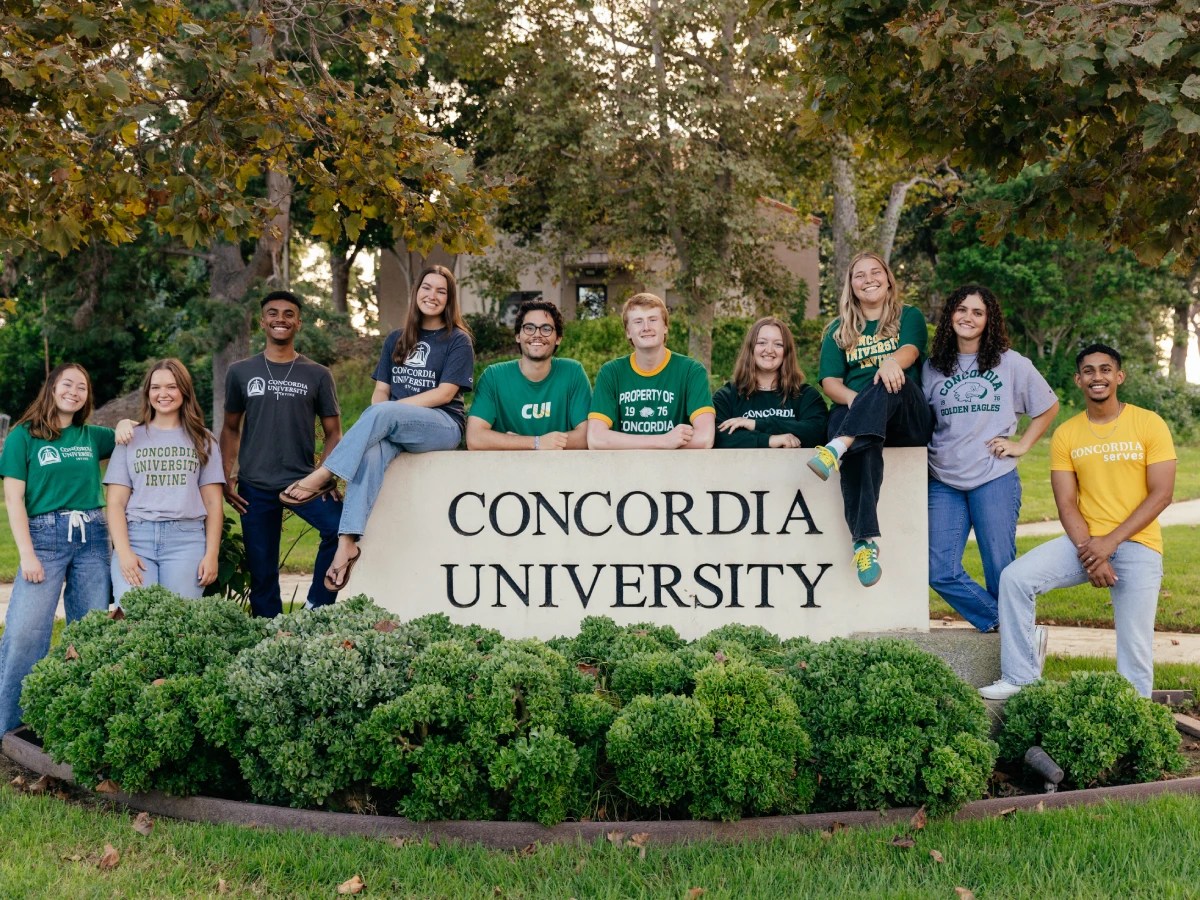
Join a community where you’re free to explore your interests and pursuits, make relationships that last a lifetime, and develop your own relationship with God. What will you explore?

Explore Financial Aid
Reduce your tuition costs with financial aid — with help from a team that wants to make your time at Concordia as affordable as possible.
Meet Our Faculty



FAQs
Is being a psychology major good?
Absolutely! A psychology degree helps you understand people and the world around you while developing valuable skills like communication, empathy, and analytical thinking. Whether you stay in the field or apply your knowledge in business, education, or healthcare, your degree will prepare you to serve and lead in a variety of ways.
Can you be a psychologist with a 4-year degree?
Typically, no. You’ll need a master’s or doctoral degree to become a licensed psychologist. However, your bachelor’s in psychology is an excellent foundation for advanced study in fields like clinical psychology, counseling, or organizational leadership.
What can you do with a psychology degree?
Psychology majors work in many areas that focus on understanding and helping people. Some common roles include:
- Case manager or social service coordinator
- Human resources or training specialist
- Market or data analyst
- Academic or career counselor
- Psychiatric technician or behavioral health assistant
Many Concordia graduates also go on to earn advanced degrees and pursue careers in counseling, therapy, education, or research.
Related Programs
-

Cybersecurity
Prepare to confront today’s digital threats with a Bachelor of…
-

Music
Develop your musical talent and inspire others with a music…
-

Mathematics
Join a fast-growing field when you earn an in-demand math…
-

Liberal Arts
Prepare for all of your life’s callings with a liberal…
-

History and Political Thought
Learn from the past to lead with understanding and purpose.
-

Graphic Design
Become a strategic, visual storyteller as a graphic design major.
-

English
Learn to think deeply and write clearly with an English…
-

Engineering
Imagine, innovate, and create with an engineering degree.
-

Digital Media Studies
Become a responsible, dynamic communicator in today’s digital age.
-

Data Science
Solve real-world challenges with math, computer science, and data.
Sources
1U.S. Bureau of Labor Statistics, U.S. Department of Labor, on the internet, at:
- https://www.bls.gov/ooh/field-of-degree/psychology/psychology-field-of-degree.htm (viewed Oct. 26, 2025).
Cited projections may not reflect local and/or short-term economic or job conditions and do not guarantee actual job growth.