


Bachelor of Science in Engineering
Imagine, innovate, and create with an engineering degree.
Get Started Today
Ready to learn more about Concordia University Irvine?
Complete this form, and an admissions counselor will connect with you.
"*" indicates required fields
Engineer a Better World for the Future
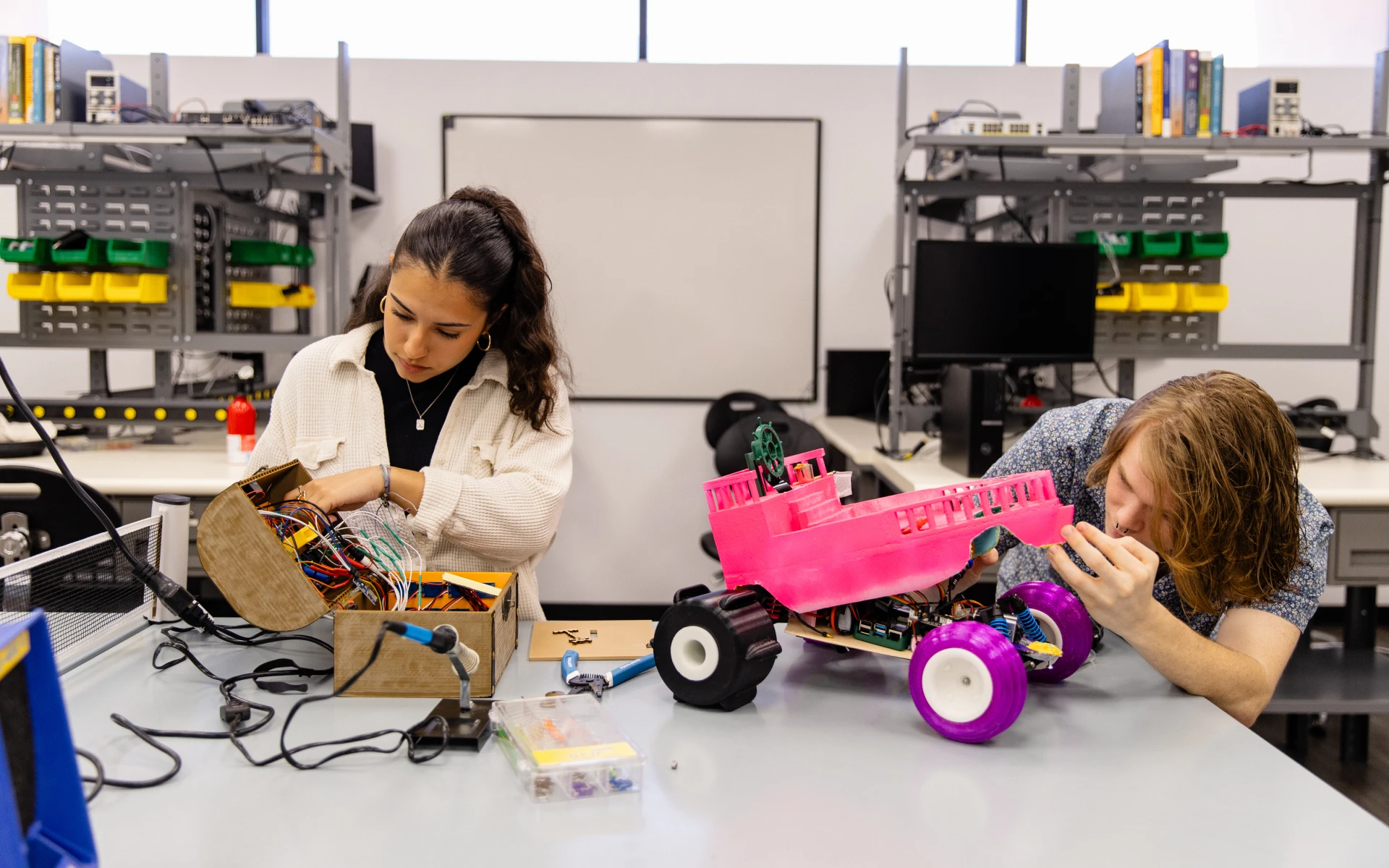
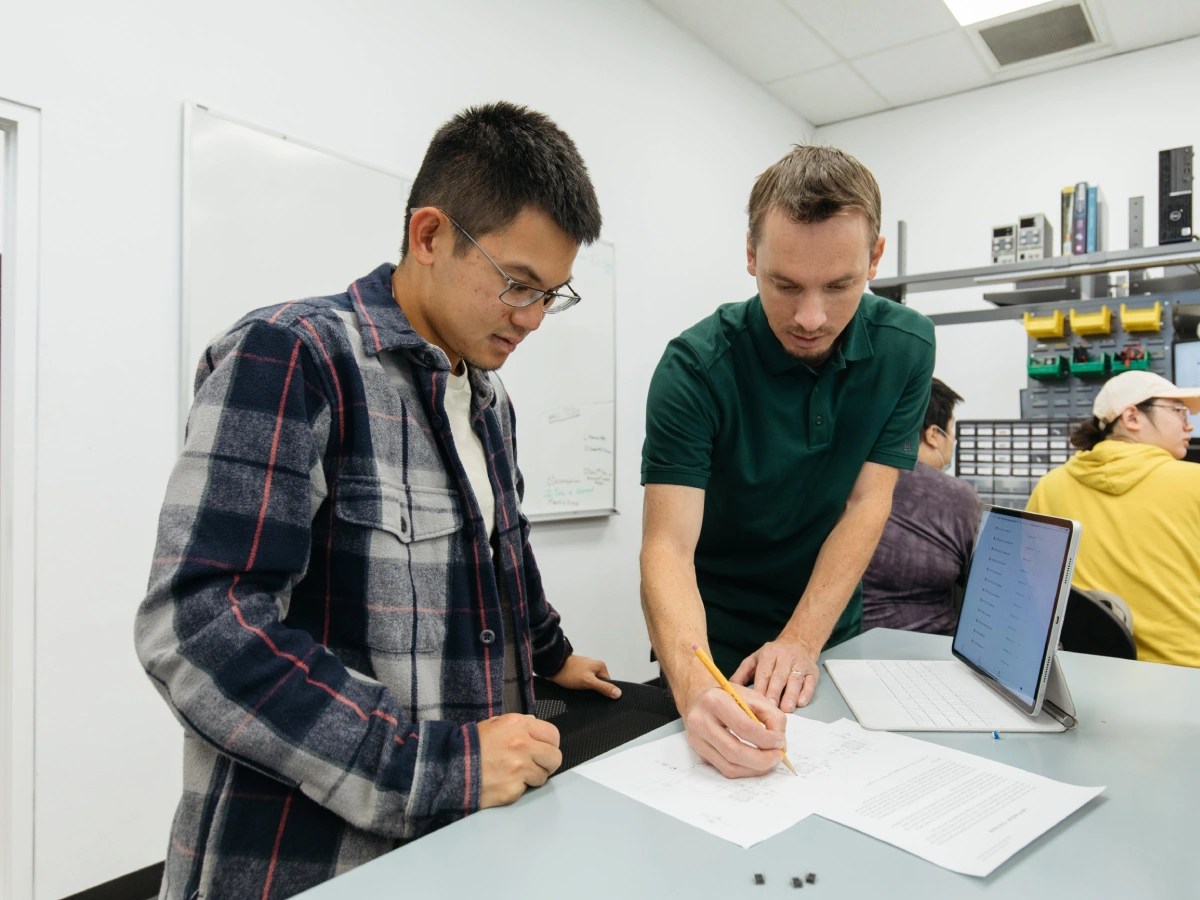
Combine creativity with hands-on skills when you become an Engineering Major at Concordia University Irvine. You’ll learn to turn ideas and models into real solutions that improve lives and strengthen communities — all while exploring how faith and ethics inform innovation.
Accredited by the Engineering Accreditation Commission of ABET, engineering at Concordia integrates the design, building, and application of machines, systems, and structures. Here, you’ll develop a versatile foundation that prepares you to adapt to evolving technologies, industries, and societal needs.
Career Relevant
Gain real-world skills for a life of service and leadership.
Collaborative Classes
Learn in classes with a 15:1 student-to-faculty ratio.
Opportunity Awaits
Access internship and career opportunities across Southern CA.
Getting Started
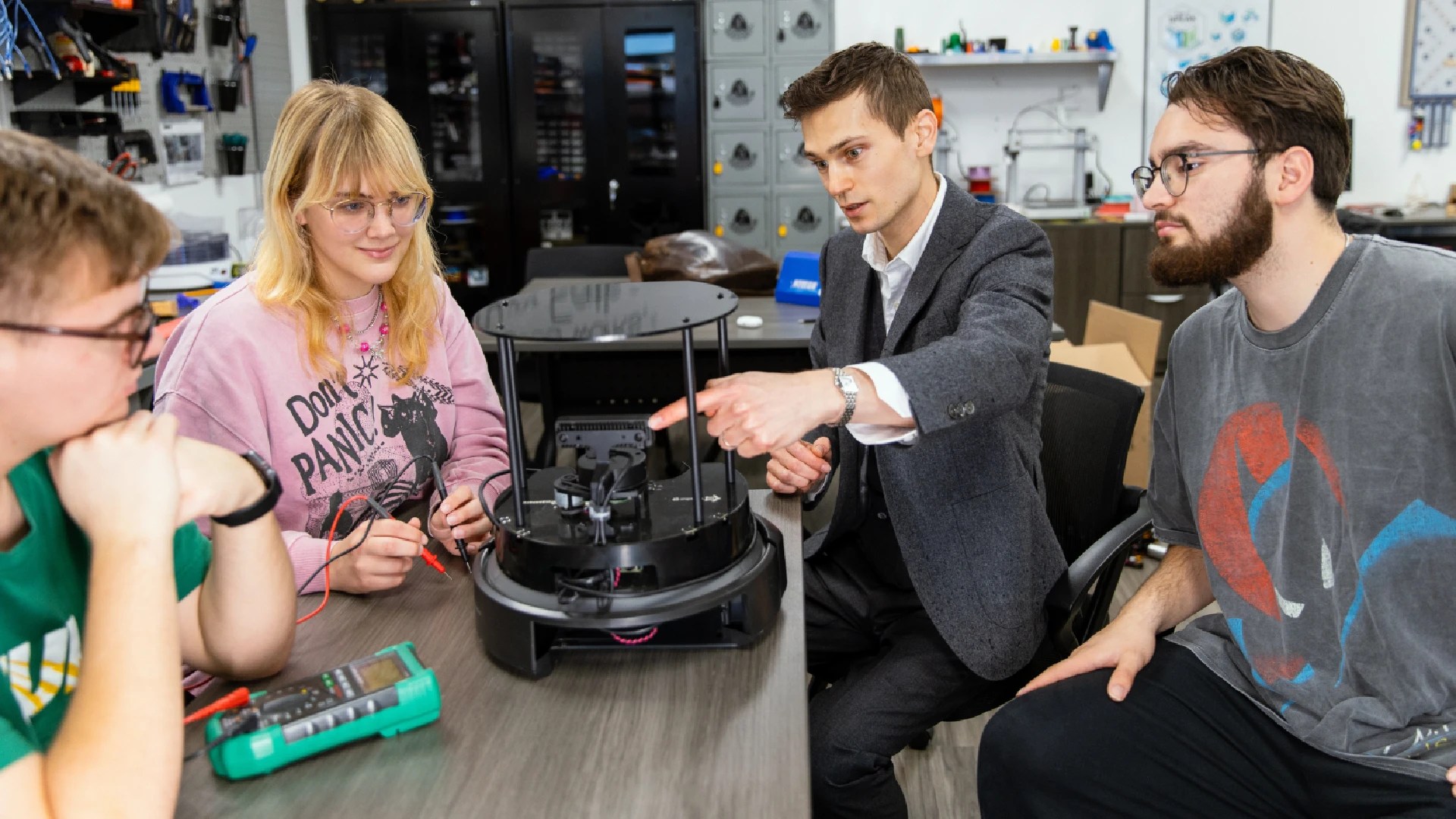
Unlike traditional programs that focus narrowly on one discipline, Concordia’s engineering major is designed to be flexible and interdisciplinary. You’ll gain a broad understanding of key fields such as chemistry, physics, mathematics, computer science, and economics — preparing you for diverse opportunities across engineering and related industries.
Guided by Christian faculty, you’ll explore the moral and ethical responsibilities of engineering while developing the creativity, teamwork, and problem-solving skills that define great innovators.
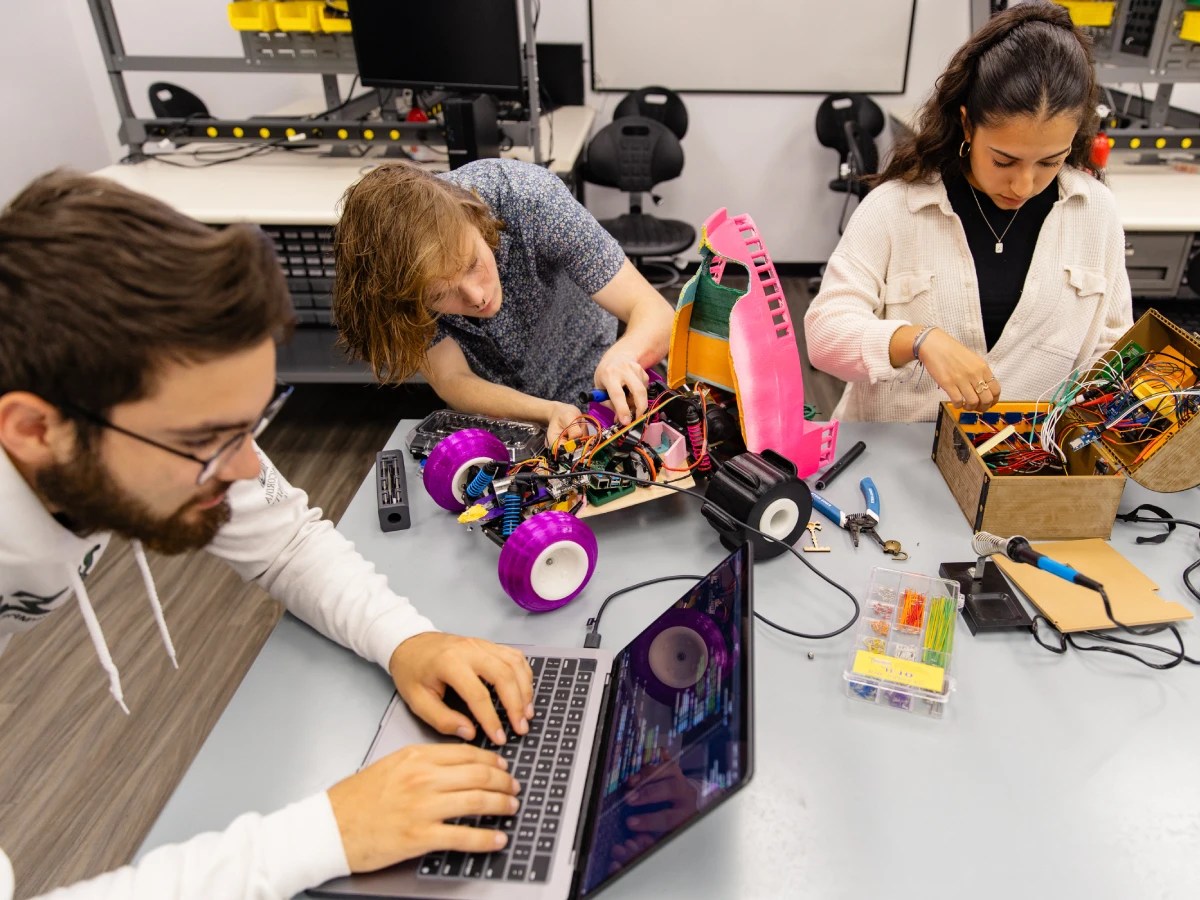
Your experience culminates in a two-course Senior Capstone, where you’ll collaborate with a partner organization or client community to design and implement a real-world solution to a technical challenge.
Next Start
January 11, 2027
Curriculum
Core Curriculum (Sample Courses):
- CSC104 – Fundamentals of Programming
- CSC314 – Programming Languages
- MTH265 – Introduction to Statistics
- MTH271 – Calculus I
- MTH272 – Calculus II
- MTH373 – Calculus III
- MTH384 – Ordinary Differential Equations
- PHY221 – Calculus-based Physics I
- PHY222 – Calculus-based Physics II
View the Concordia University Irvine Online Catalog for a full list of courses.
Program Learning Outcomes
Students will achieve
- an ability to identify, formulate, and solve complex engineering problems by applying principles of engineering, science, and mathematics.
- an ability to apply engineering design to produce solutions that meet specified needs with consideration of public health, safety, and welfare, as well as global, cultural, social, environmental, and economic factors.
- an ability to communicate effectively with a range of audiences.
- an ability to recognize ethical and professional responsibilities in engineering situations and make informed judgments, which must consider the impact of engineering solutions in global, economic, environmental, and societal contexts.
- an ability to function effectively on a team whose members together provide leadership, create a collaborative and inclusive environment, establish goals, plan tasks, and meet objectives.
- an ability to develop and conduct appropriate experimentation, analyze and interpret data, and use engineering judgment to draw conclusions.
- an ability to acquire and apply new knowledge as needed, using appropriate learning strategies.
Program Educational Objectives
- Build a professional foundation based on engineering excellence in a variety of settings, including industry, government, and academia, leading to a stable career with ample growth potential.
- Pursue life-long learning through formal avenues, such as licensure or graduate school, or informally through active professional engagement and development opportunities.
- Apply a holistic approach to engineering, based on strong technical and interpersonal skills and an appreciation of broader ethical, cultural, economic, and societal contexts.
- Seek opportunities to use engineering in service of the needs, roles, and perspectives of others: church, family, schools, colleagues, communities, and society as a whole.
Tuition and Fees
At Concordia, we understand that investing in your education is a significant decision. That’s why we offer a variety of scholarships and financial aid options to help make your academic journey more affordable. In fact, 100% of our students receive some form of financial assistance! View tuition costs and fees for undergraduate programs.
Admission Requirements
View the Application page for full details on application and admission requirements.
Nationally Recognized Q&I Curriculum
Concordia University Irvine is among a distinctive group of universities that offer a comprehensive liberal arts curriculum for all of its students. Our nationally recognized Enduring Questions & Ideas curriculum (Q&I, for short) is carefully crafted so that you discover the purpose of a liberal arts education — to grow intellectually, ethically, and spiritually.
Career Outcomes
Engineering and architecture occupations are projected to grow faster than the average for all jobs, with about 195,000 openings expected each year through 2033.1
Top-employing and fast-growing fields for engineering majors include:
- Software Development
- Industrial Engineering
- Mechanical Engineering
- Electrical Engineering
- Civil Engineering
- Aerospace Engineering
- Architectural and Engineering Management
Concordia graduates are well-prepared to enter the workforce or pursue advanced study in master’s or Ph.D. programs. Whether you aim to innovate in technology, improve infrastructure, or design for sustainability, you’ll graduate ready to lead and serve with purpose.
Academic Opportunities
As an engineering major, you’ll have access to coursework and mentorship across multiple disciplines. Many students complement their major with related programs such as:
This interdisciplinary approach ensures you graduate with both technical expertise and the creativity to approach complex problems from multiple perspectives.
Service-Learning Opportunities
Engineering majors at Concordia apply their skills beyond the classroom through service-based projects and travel experiences with nonprofits and faith-based organizations. These projects emphasize the heart of Concordia’s mission: using knowledge and skill to serve communities and reflect Christ through action.
Life at Concordia
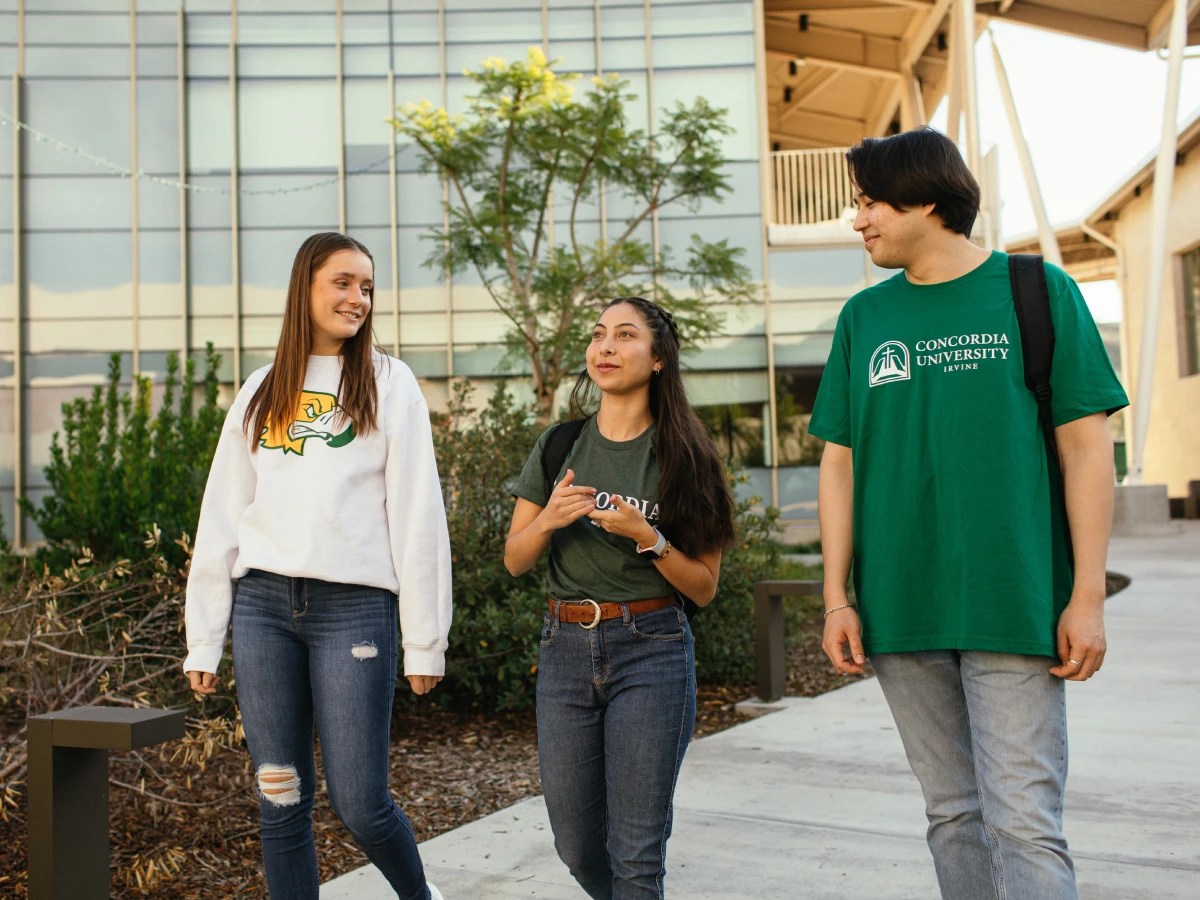
Join a community where you’re free to explore your interests and pursuits, make relationships that last a lifetime, and develop your own relationship with God. What will you explore?

Explore Financial Aid
Reduce your tuition costs with financial aid — with help from a team that wants to make your time at Concordia as affordable as possible.
Meet Our Faculty



FAQs
Is engineering a useful major?
An engineering degree can be very useful. Engineering majors develop innovative problem-solving skills that are valued across every industry. Engineers are consistently in demand — and most disciplines are growing faster than average.
From 2023 to 2033, projected job growth includes:
- Agricultural Engineering: 8%
- Chemical Engineering: 10%
- Civil Engineering: 6%
- Computer Hardware Engineering: 7%
- Electrical and Electronics Engineering: 9%
- Environmental Engineering: 7%
- Mechanical Engineering: 11%
With the national average growth at 4%, every one of these fields is on the rise.1
Is engineering a lot of math?
Yes, math is an important part of engineering, but it’s also one of the most rewarding. In the engineering degree program at Concordia, you’ll take courses in calculus, statistics, and differential equations that teach you how to model systems, analyze data, and solve real-world problems.
What do engineers do?
Engineers are problem-solvers who design, build, and improve the systems that power our world. From developing clean energy technologies to advancing communication networks and transportation systems, engineers make life safer, more efficient, and more sustainable.
Concordia’s engineering degree prepares you for fields such as:
- Civil, electrical, or mechanical engineering
- Chemical or biomedical engineering
- Computer and software engineering
- Energy and environmental engineering
- Architecture and manufacturing
- Research and development
Many graduates also pursue advanced degrees to deepen their expertise or move into management, education, or entrepreneurship.
Related Programs
-

Cybersecurity
Prepare to confront today’s digital threats with a Bachelor of…
-

Psychology
Study the mind and explore human behavior with a psychology…
-

Music
Develop your musical talent and inspire others with a music…
-

Mathematics
Join a fast-growing field when you earn an in-demand math…
-

Liberal Arts
Prepare for all of your life’s callings with a liberal…
-

History and Political Thought
Learn from the past to lead with understanding and purpose.
-

Graphic Design
Become a strategic, visual storyteller as a graphic design major.
-

English
Learn to think deeply and write clearly with an English…
-
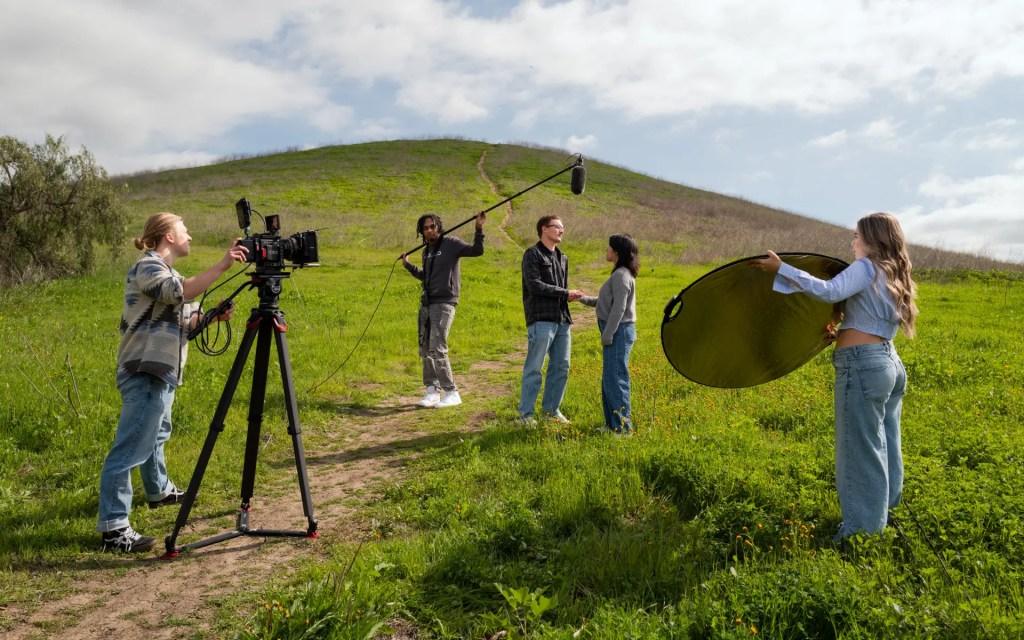
Digital Media Studies
Become a responsible, dynamic communicator in today’s digital age.
-
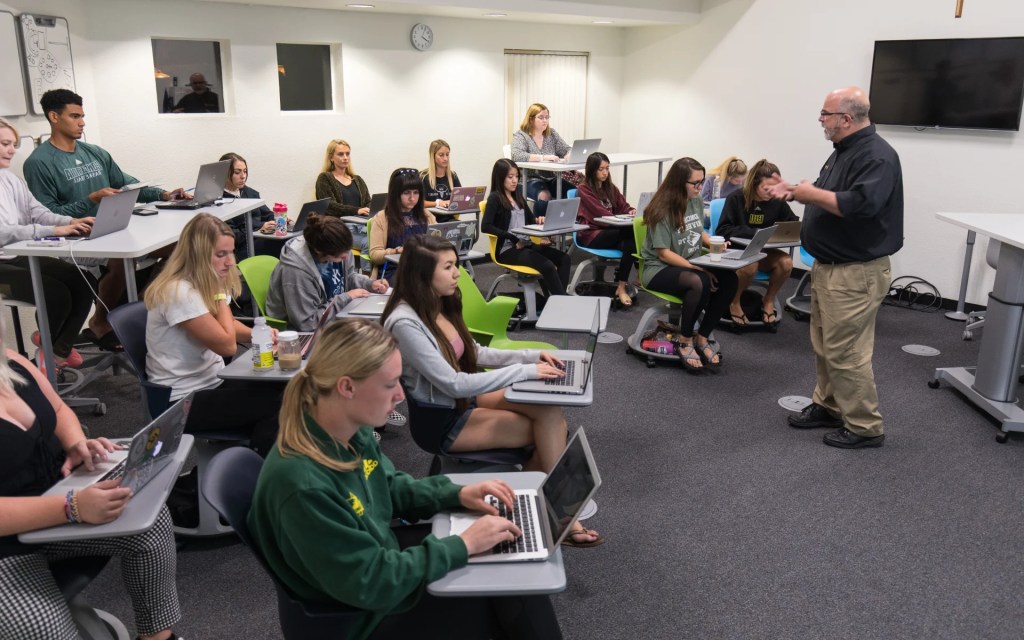
Data Science
Solve real-world challenges with math, computer science, and data.
Sources
1U.S. Bureau of Labor Statistics, U.S. Department of Labor, on the internet, at:
- https://www.bls.gov/ooh/architecture-and-engineering/ (viewed Jan. 19, 2025),
- https://www.bls.gov/ooh/field-of-degree/engineering/engineering-field-of-degree.htm (viewed Jan. 19, 2025),
- https://www.bls.gov/ooh/architecture-and-engineering/agricultural-engineers.htm (viewed Jan. 19, 2025),
- https://www.bls.gov/ooh/architecture-and-engineering/chemical-engineers.htm (viewed Jan. 19, 2025),
- https://www.bls.gov/ooh/architecture-and-engineering/civil-engineers.htm (viewed Jan. 19, 2025),
- https://www.bls.gov/ooh/architecture-and-engineering/computer-hardware-engineers.htm (viewed Jan. 19, 2025),
- https://www.bls.gov/ooh/architecture-and-engineering/electrical-and-electronics-engineers.htm (viewed Jan. 19, 2025),
- https://www.bls.gov/ooh/architecture-and-engineering/environmental-engineers.htm (viewed Jan. 19, 2025),
- https://www.bls.gov/ooh/architecture-and-engineering/mechanical-engineers.htm (viewed Jan. 19, 2025).
Cited projections may not reflect local and/or short-term economic or job conditions and do not guarantee actual job growth.