


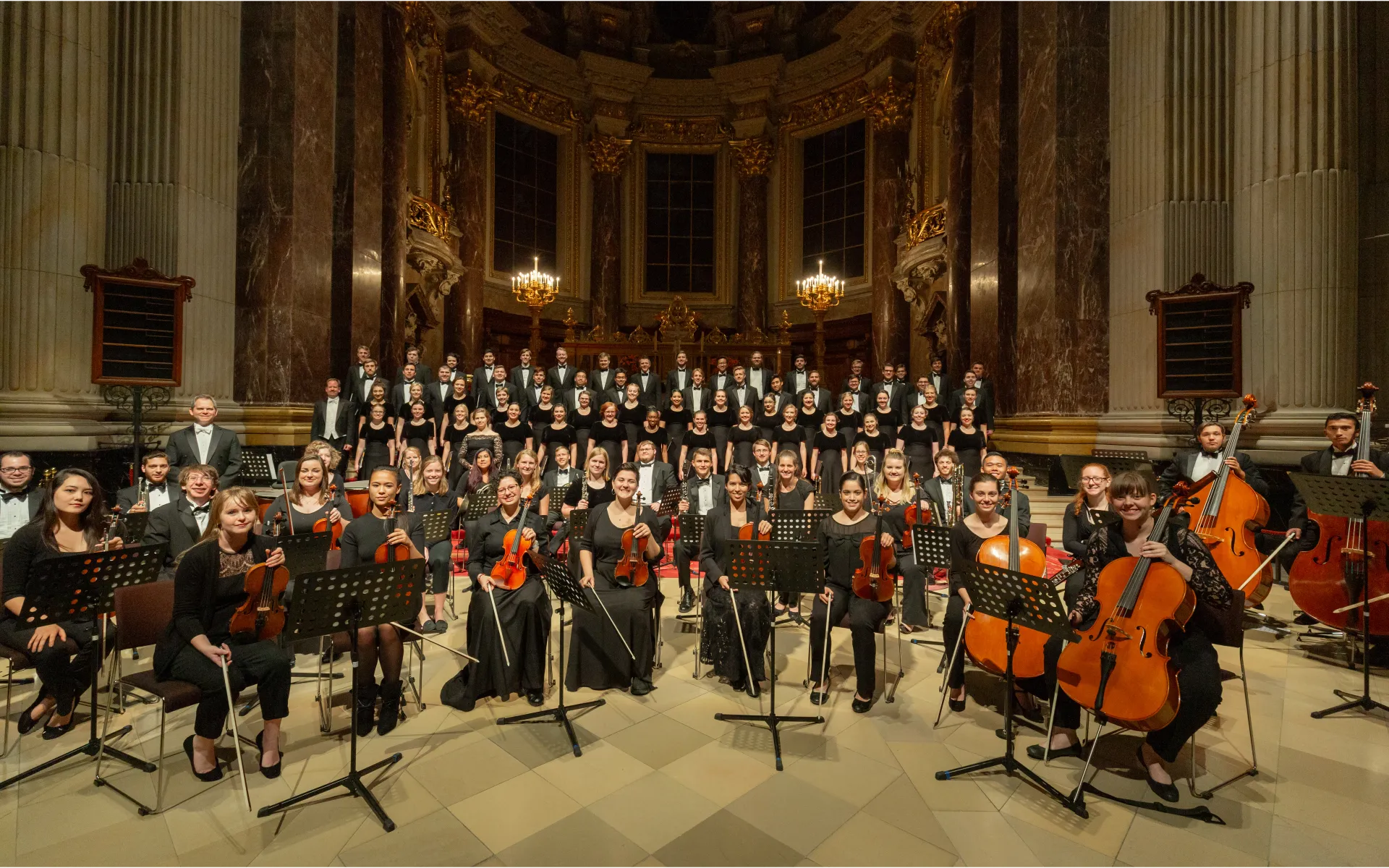
Bachelor of Arts in Music
Develop your musical talent and inspire others with a music degree.
Get Started Today
Ready to learn more about Concordia University Irvine?
Complete this form, and an admissions counselor will connect with you.
"*" indicates required fields
Find Your Voice and Vocations Through Music
Turn your passion for music into a meaningful vocation with a Bachelor of Arts in Music from Concordia University Irvine, one of Southern California’s leading centers for musical study and performance.
The music major program combines rigorous conservatory-style training with a nurturing, Christ-centered environment where you’re encouraged to explore, perform, and create.
Music majors at Concordia benefit from:
- Exceptional teaching, practice, and rehearsal facilities
- A recording studio by John Storyk, the world’s foremost recording studio designer
- Small conservatory size with a cooperative atmosphere
- Faculty who are fully invested in your success
- Curriculum that maximizes your musical and intellectual growth
Every note you play, every song you sing, and every piece you compose prepares you to inspire others through your art and through your life.
Career Relevant
Gain real-world skills for a life of service and leadership.
Collaborative Classes
Learn in classes with a 15:1 student-to-faculty ratio.
Music Scholarships
Access some of the largest financial aid packages available.
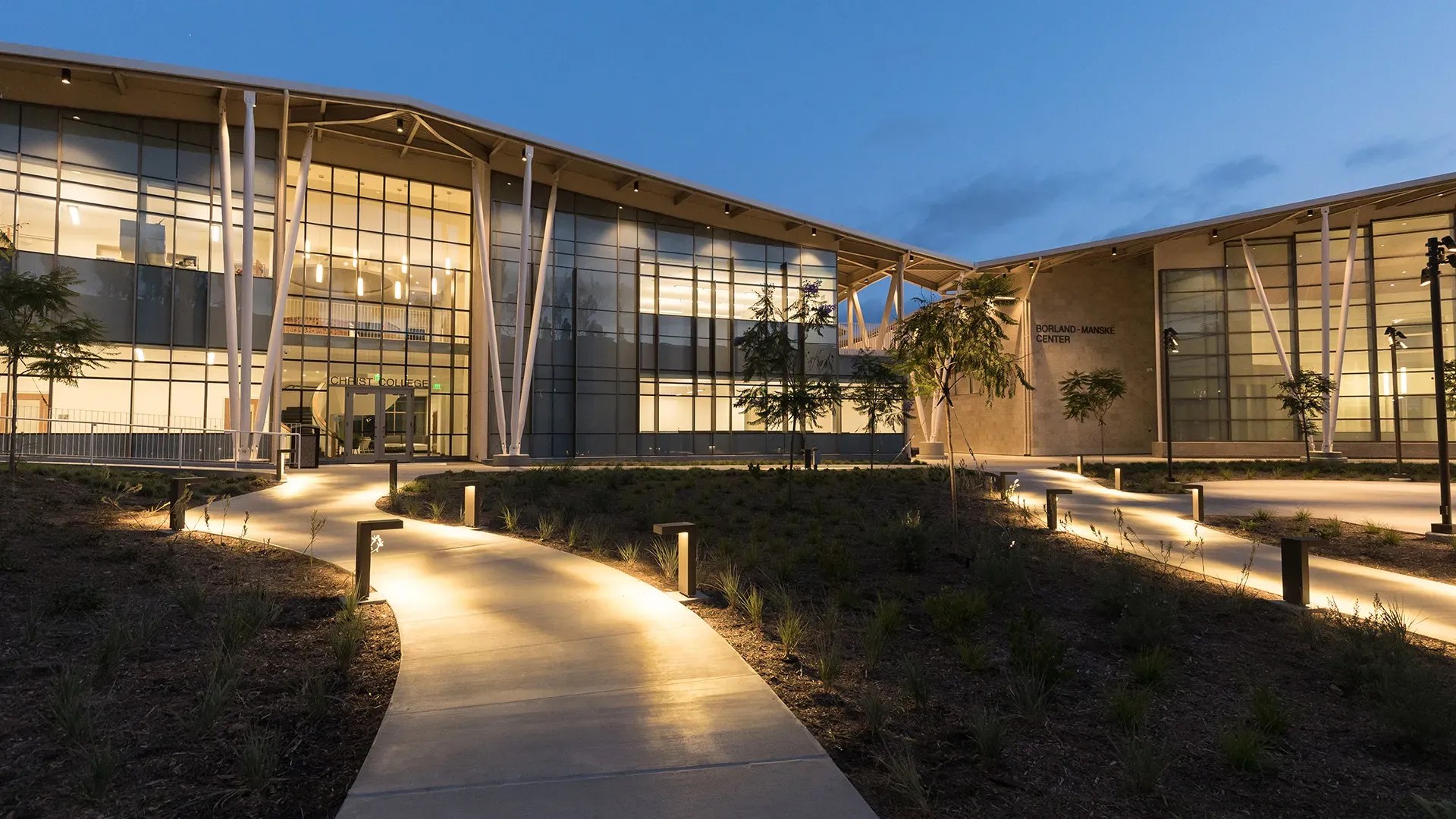
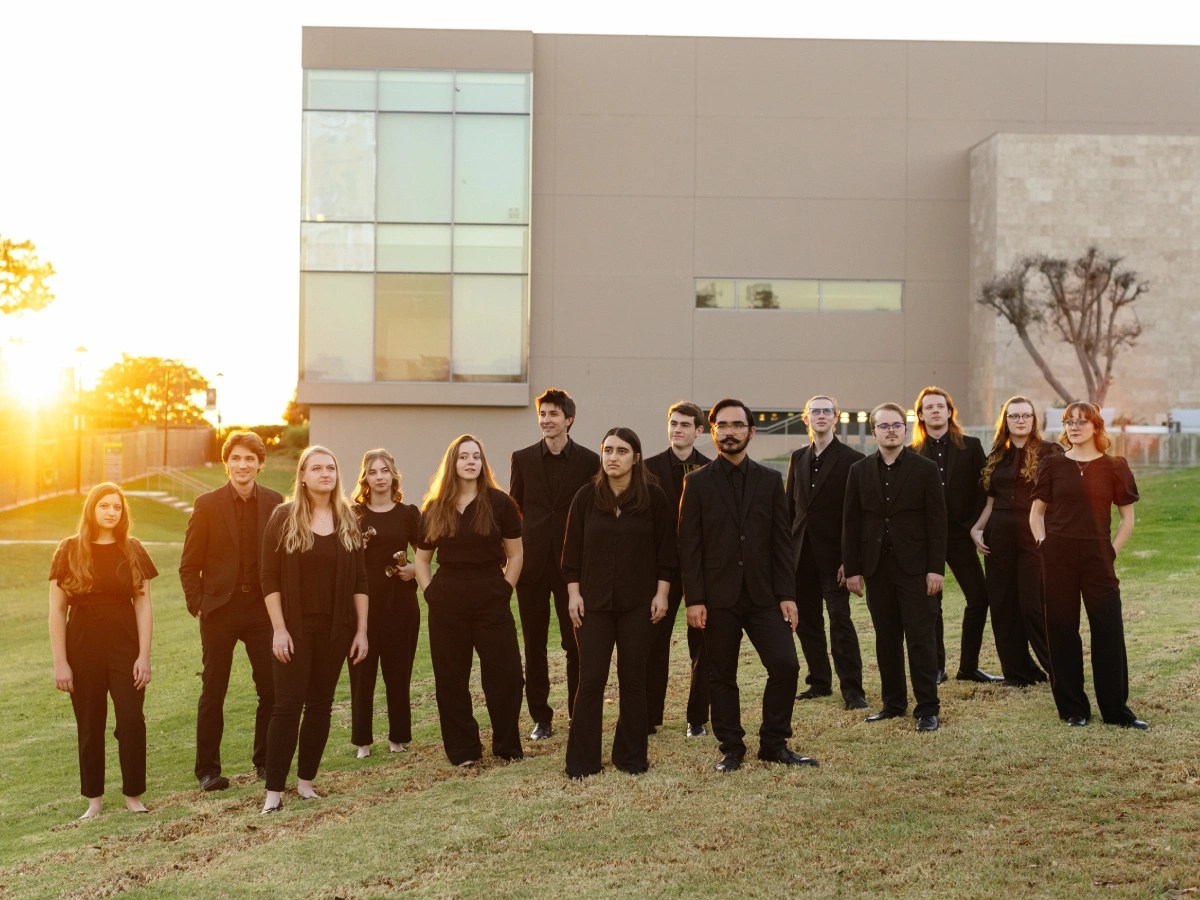
Getting Started
The music major at Concordia consists of 54 core units in theory, performance, and musicianship, with opportunities to deepen your studies through one of seven specializations.
You’ll strengthen your voice and piano skills, refine your ear through music theory and aural training, and gain experience in conducting, composition, and ensemble leadership. Through both solo and group performance, you’ll learn to express your faith and artistry in ways that uplift and inspire.
Next Start
January 11, 2027
Curriculum
Core Curriculum (Sample Courses):
- MUS217 – Contemporary Music Styles
- MUS331 – Music History I: Antiquity through Bach
- MUS332 – Music History II: Classical Period through Early-Twentieth Century
- MUS430 – History and Analysis of Modern Music
View the Concordia University Irvine Online Catalog for a full list of courses.
After completing the program at Concordia, music majors will be able to:
- Develop musical skills that reflect competent applications of the materials and conventions of music.
- Generate musical performances that are technically adept and artistic.
- Utilize the techniques, philosophies, and best practices of musical leadership and collaboration in order to enhance a community.
- Interpret, analyze, and evaluate musical works and performances.
- Evaluate the significance of music in various contexts (like spiritual, social, historical, ritual, and cultural).
Concentrations
- Church Music and Worship Arts
- Commercial Music
- Composition
- Instrumental Performance
- Music Education (Pre-Teacher Certification)
- Piano Performance
- Vocal Performance
View the Concordia University Irvine Online Catalog for a full list of courses.
Tuition and Fees
At Concordia, we understand that investing in your education is a significant decision. That’s why we offer a variety of scholarships and financial aid options to help make your academic journey more affordable. In fact, 100% of our students receive some form of financial assistance! View tuition costs and fees for undergraduate programs.
Admission Requirements
View the Application page for a full list of courses for each emphasis
Nationally Recognized Q&I Curriculum
Concordia University Irvine is among a distinctive group of universities that offer a comprehensive liberal arts curriculum for all of its students. Our nationally recognized Enduring Questions & Ideas curriculum (Q&I, for short) is carefully crafted so that you discover the purpose of a liberal arts education — to grow intellectually, ethically, and spiritually.

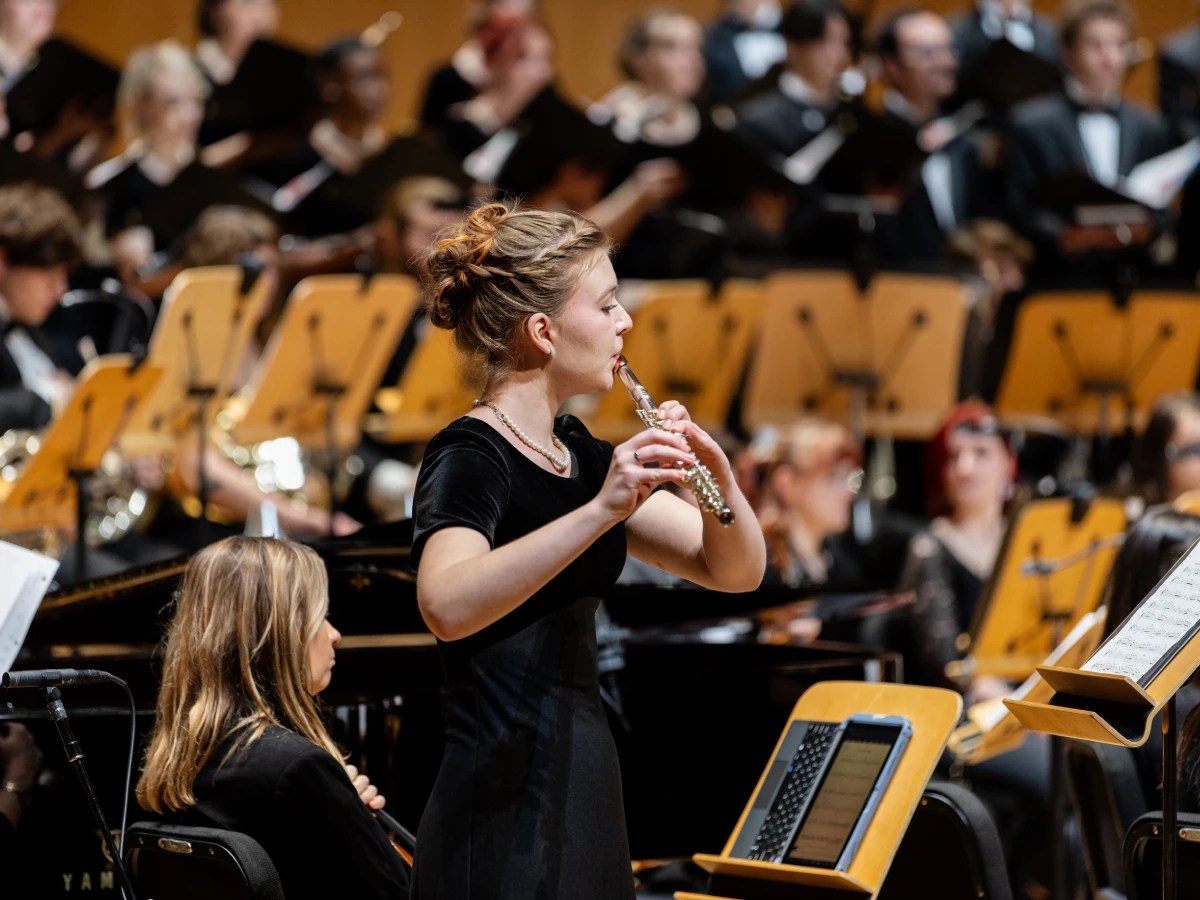
Career Outcomes
A music degree from Concordia opens pathways in performance, education, composition, ministry, and the music industry. Our graduates are known for their versatility, professionalism, and deep commitment to using their gifts in service to others.
Common fields for Concordia music graduates include:
- Church Music and Worship Leadership: Organists, choir directors, praise band leaders, and worship planners.
- Commercial Music: Recording, producing, and performing in contemporary music industries.
- Composition: Writing and arranging music for performance, media, and ministry.
- Music Education: Teaching in public, private, or Lutheran schools, often through Concordia’s integrated teacher credential pathway.
- Performance: Graduate studies and professional performance in world-class programs including Boston Conservatory, Cal State Long Beach, and University of Washington.
While teaching and performing are common paths, Concordia graduates also find fulfilling work as composers, accompanists, conductors, and ministry leaders who use music to connect, comfort, and inspire.
Academic Opportunities
The music major at Concordia can be personalized to fit your goals. You can double major, pair your degree with a related minor, or add a program that complements your musical focus. Options include:
Performance Groups
Join one — or several — of the renowned performance ensembles at Concordia. From choirs and orchestras to jazz bands and chamber groups, you’ll make music that inspires others while building friendships that last a lifetime.
- 4 choirs
- 3 bands/orchestras
- 2 jazz ensembles
- 1 American folk ensemble
- 3 handbell ensembles
- 2 commercial music ensembles
- Chamber music ensembles
- Praise and worship bands
- 1 Vocal Pop Ensemble
Life at Concordia
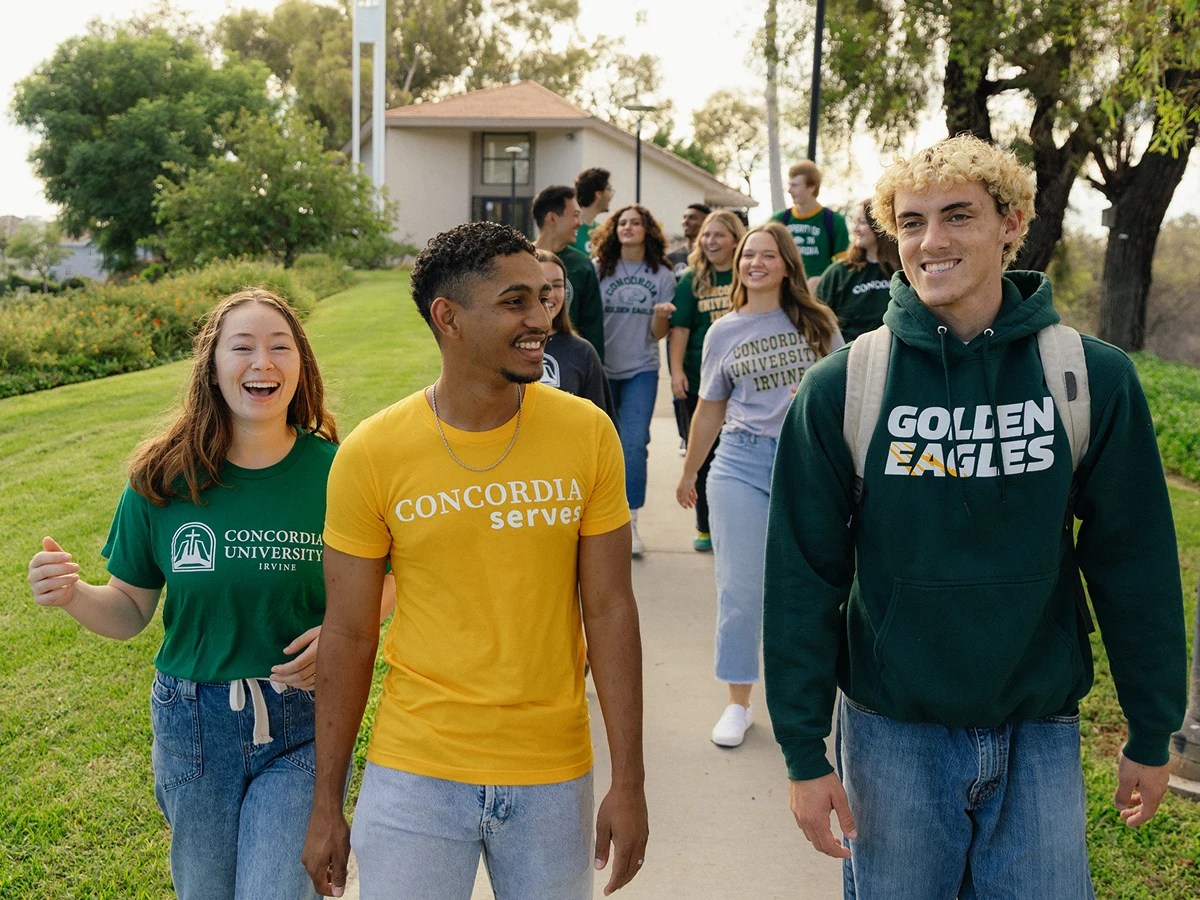
Join a community where you’re free to explore your interests and pursuits, make relationships that last a lifetime, and develop your own relationship with God. What will you explore?
Explore Financial Aid
Reduce your tuition costs with financial aid — with help from a team that wants to make your time at Concordia as affordable as possible.
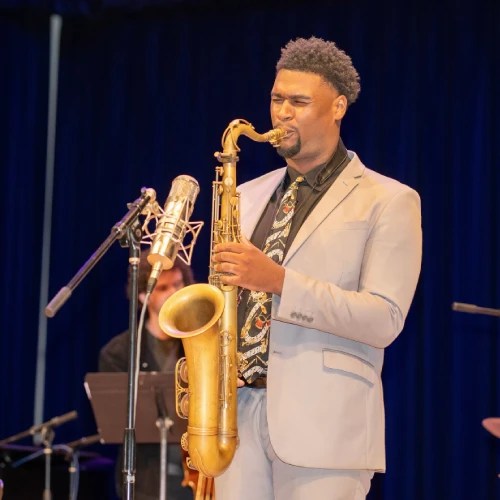
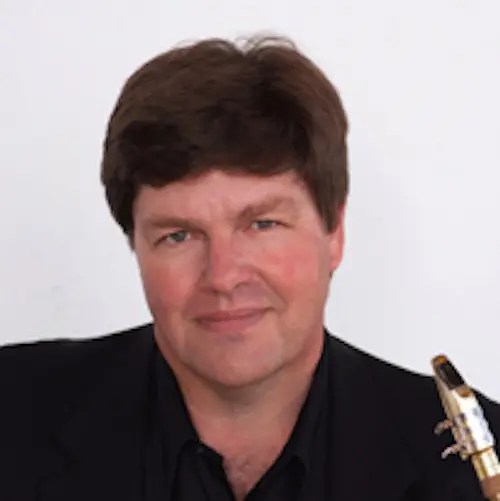
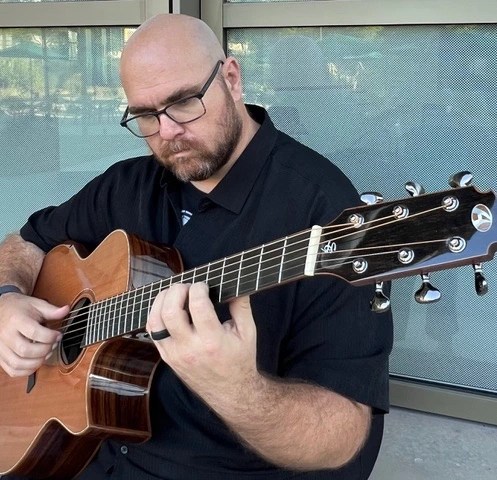
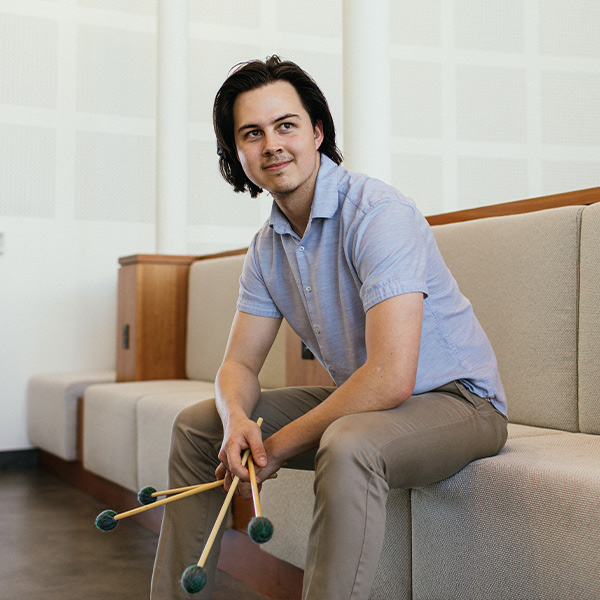
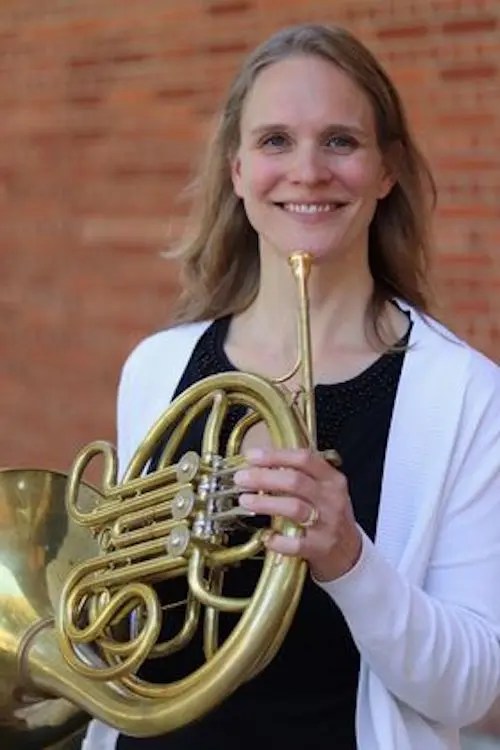
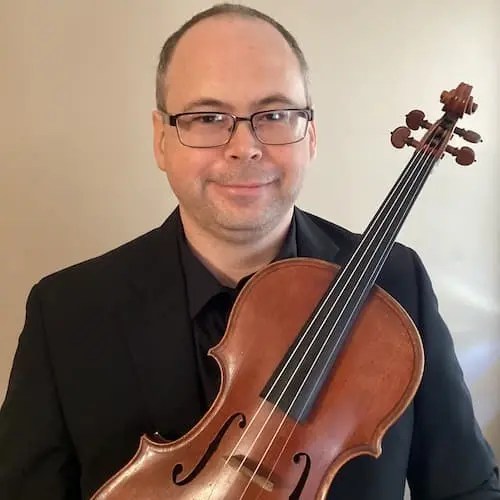
Meet Our Faculty
-

Tom Mueller
Dean, School of Arts and Sciences; Music Department Chair, Professor,…
-

Michael Busch
Professor, Director of Choral and Vocal Activities, Interim Director of…
-

Donavon Gray
Resident Faculty, Director of Handbell Activities and Music Education













FAQs
What degree do I need to be a musician?
While not all musicians have degrees, studying music at Concordia gives you a professional advantage. You’ll learn from experienced faculty, develop your technical and creative skills, perform regularly, and build a strong network of mentors and peers who share your passion for music and ministry.
What is the best college to study music?
The best school is the one that helps you grow both as a musician and as a person. At Concordia University Irvine, you’ll find small classes, personal attention, and countless opportunities to perform on campus and throughout the community. You’ll also study how music and faith intersect, which sets Concordia apart.
Concordia is also accredited by the National Association of Schools of Music (NASM), the nation’s leading accrediting body for music in higher education.is the one that fits your goals, budget, and schedule. As you compare public health graduate programs, you’ll want to consider:
What jobs can I do if I love music?
Depending on the classes you take and what your strongest skills are, music majors could lean into careers like:1
- Composer or arranger
- Music director or conductor
- Music teacher
- Parish music leader
- Performer or studio musician
- Music Business
- Non-Profit Leadership
- Music Producer
- Recording Engineer
You’ll graduate prepared to share your gifts on stage, in the classroom, in the studio, or in ministry.
Related Programs
-

Cybersecurity
Prepare to confront today’s digital threats with a Bachelor of…
-

Psychology
Study the mind and explore human behavior with a psychology…
-

Mathematics
Join a fast-growing field when you earn an in-demand math…
-

Liberal Arts
Prepare for all of your life’s callings with a liberal…
-

History and Political Thought
Learn from the past to lead with understanding and purpose.
-

Graphic Design
Become a strategic, visual storyteller as a graphic design major.
-

English
Learn to think deeply and write clearly with an English…
-

Engineering
Imagine, innovate, and create with an engineering degree.
-

Digital Media Studies
Become a responsible, dynamic communicator in today’s digital age.
-

Data Science
Solve real-world challenges with math, computer science, and data.
Sources
1U.S. Bureau of Labor Statistics, U.S. Department of Labor, on the internet, at:
- https://www.bls.gov/ooh/entertainment-and-sports/musicians-and-singers.htm (viewed Oct. 23, 2025).
Cited projections may not reflect local and/or short-term economic or job conditions and do not guarantee actual job growth.