

Musical Theatre Minor
Share your gifts and your voice with a minor in musical theatre.
Get Started Today
Ready to learn more about Concordia University Irvine?
Complete this form, and an admissions counselor will connect with you.
Tap Into Your Creativity
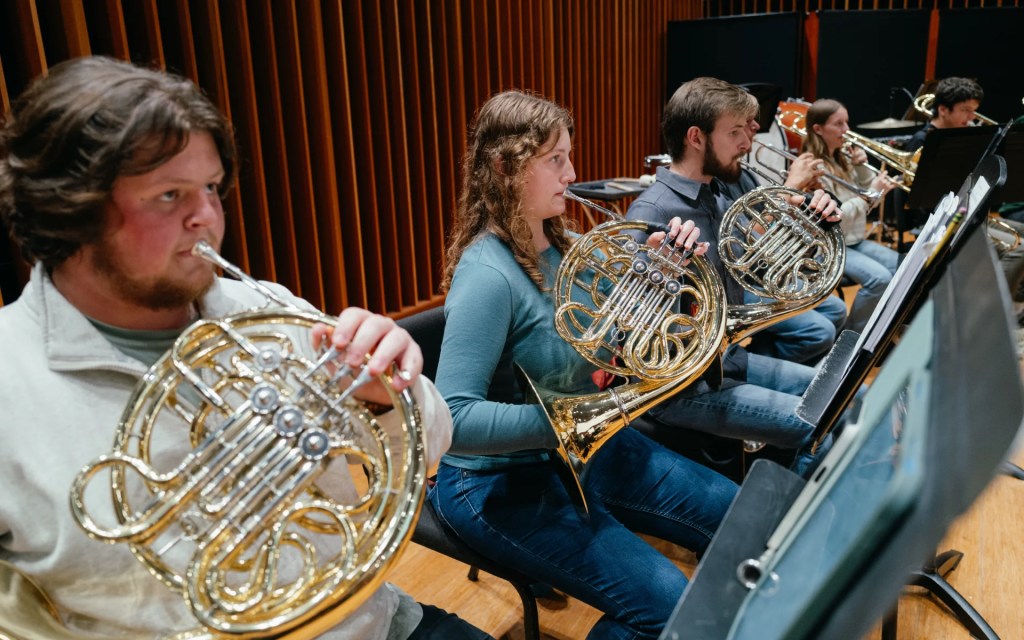
Combine your love of acting, singing, and dance in the Musical Theatre Minor at Concordia University Irvine. This program gives you the tools and training to perform confidently on stage — integrating technical skill, artistic expression, and storytelling grounded in faith.
You’ll study ballet, tap, jazz, and modern dance, while also refining your acting and vocal performance. The program encourages collaboration and creativity, helping you grow as both an artist and a communicator. You’ll also gain valuable production experience by participating in Concordia’s live theatre performances, a practicum requirement that puts your skills to work in real shows.
View the Concordia University Irvine Online Catalog for a full list of courses.
FAQs
Can you do theatre in college without majoring?
Absolutely. Many students participate in theatre while majoring in other fields. At Concordia, the Musical Theatre Minor allows you to study performance, acting, and dance while pursuing any major. You’ll even have the opportunity to participate in our stage productions!
Is studying musical theatre worth it?
If performing is part of who you are, it’s absolutely worth it. A musical theatre minor strengthens your stage presence, vocal range, and confidence — all valuable skills whether you pursue performance professionally or keep it as a lifelong passion. Some students use their training to teach, lead community theatre, or enrich church ministries through music and drama.
Related Programs
-
Sociology
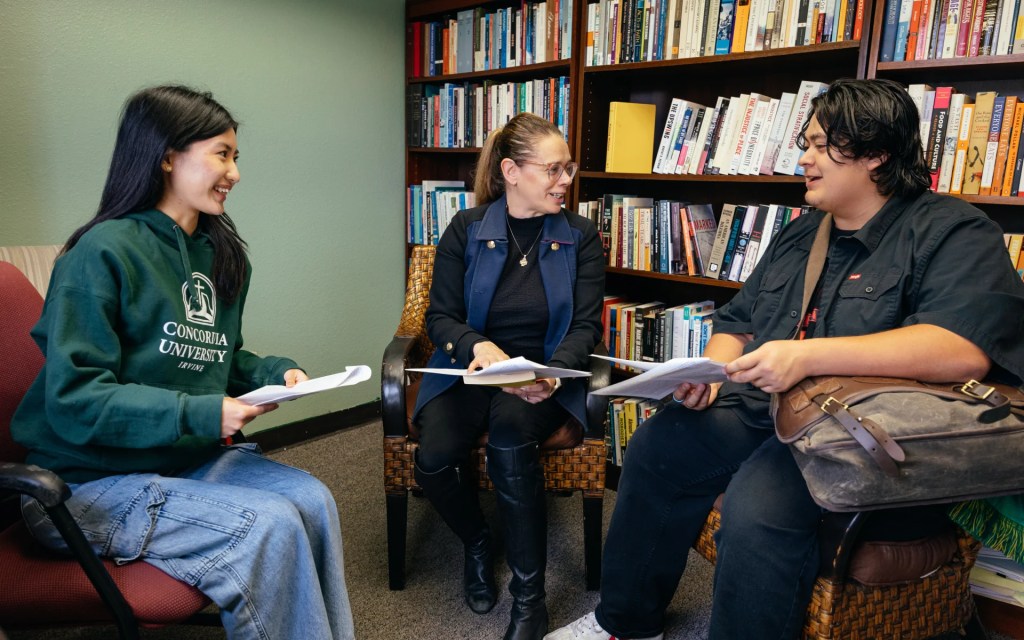
Learn what makes communities thrive with a minor in sociology.
-
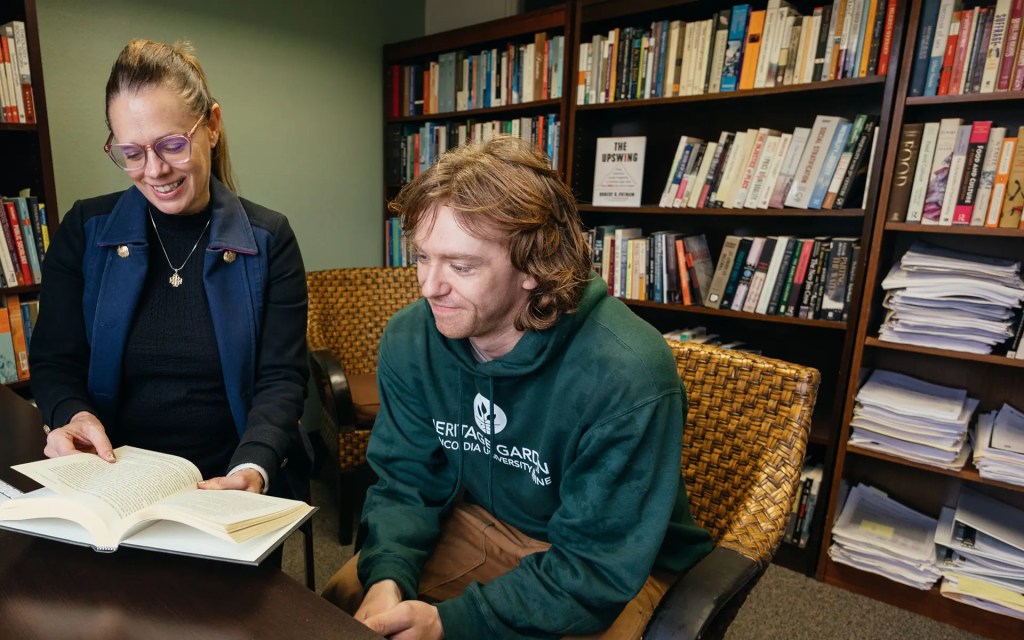
Political Thought
Explore the ideas that have shaped politics, law, and society.
-

Mathematics – Minor
Strengthen your problem-solving skills when you minor in math.
-

Law and Politics
Explore justice, ethics, and leadership through law and politics.
-
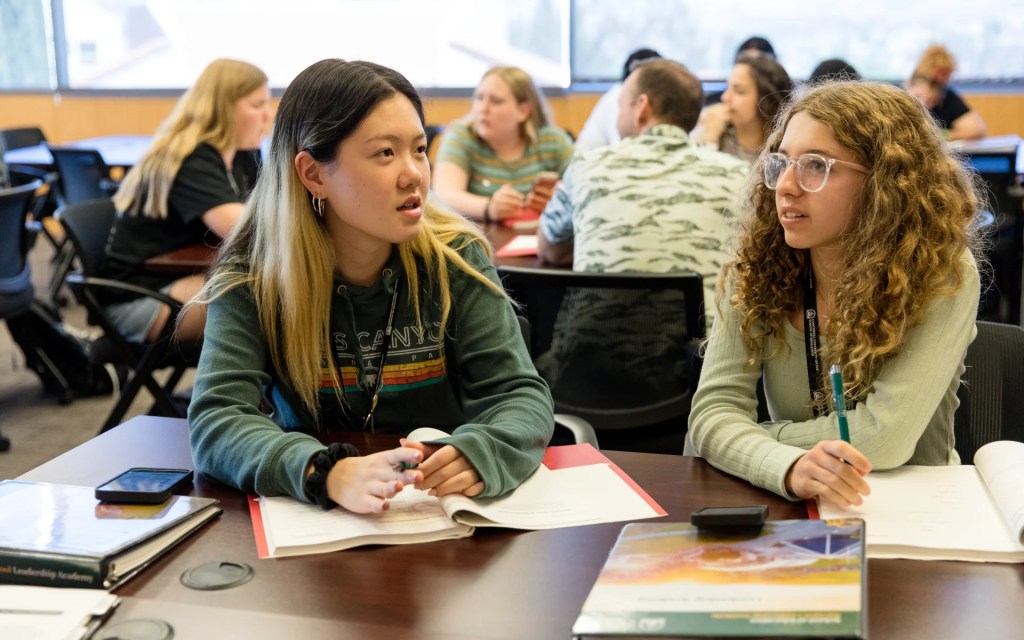
History
Explore the past to shape your understanding of the present.
-
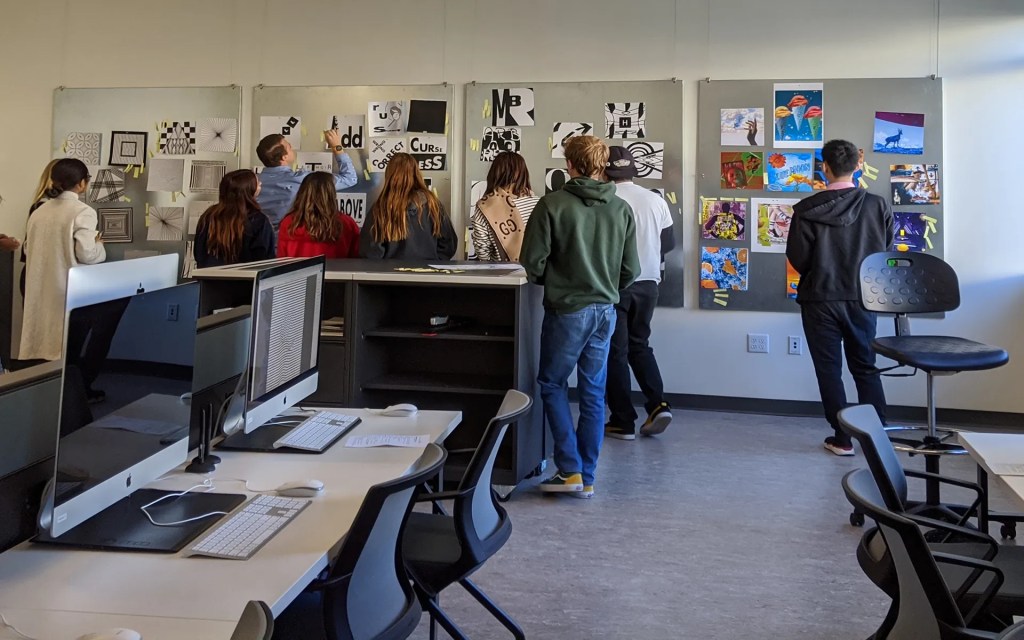
Graphic Design – Minor
Learn how to use the power of design to inspire…
-

Global Cultural Studies
Experience the world through study, service, and global travel.
-

Film and Digital Video Production
Work a new angle with a digital film and video…