

Chemistry Minor
Study creation at its smallest scale with a chemistry minor.
Get Started Today
Ready to learn more about Concordia University Irvine?
Complete this form, and an admissions counselor will connect with you.
Explore the Matter That Shapes Our World
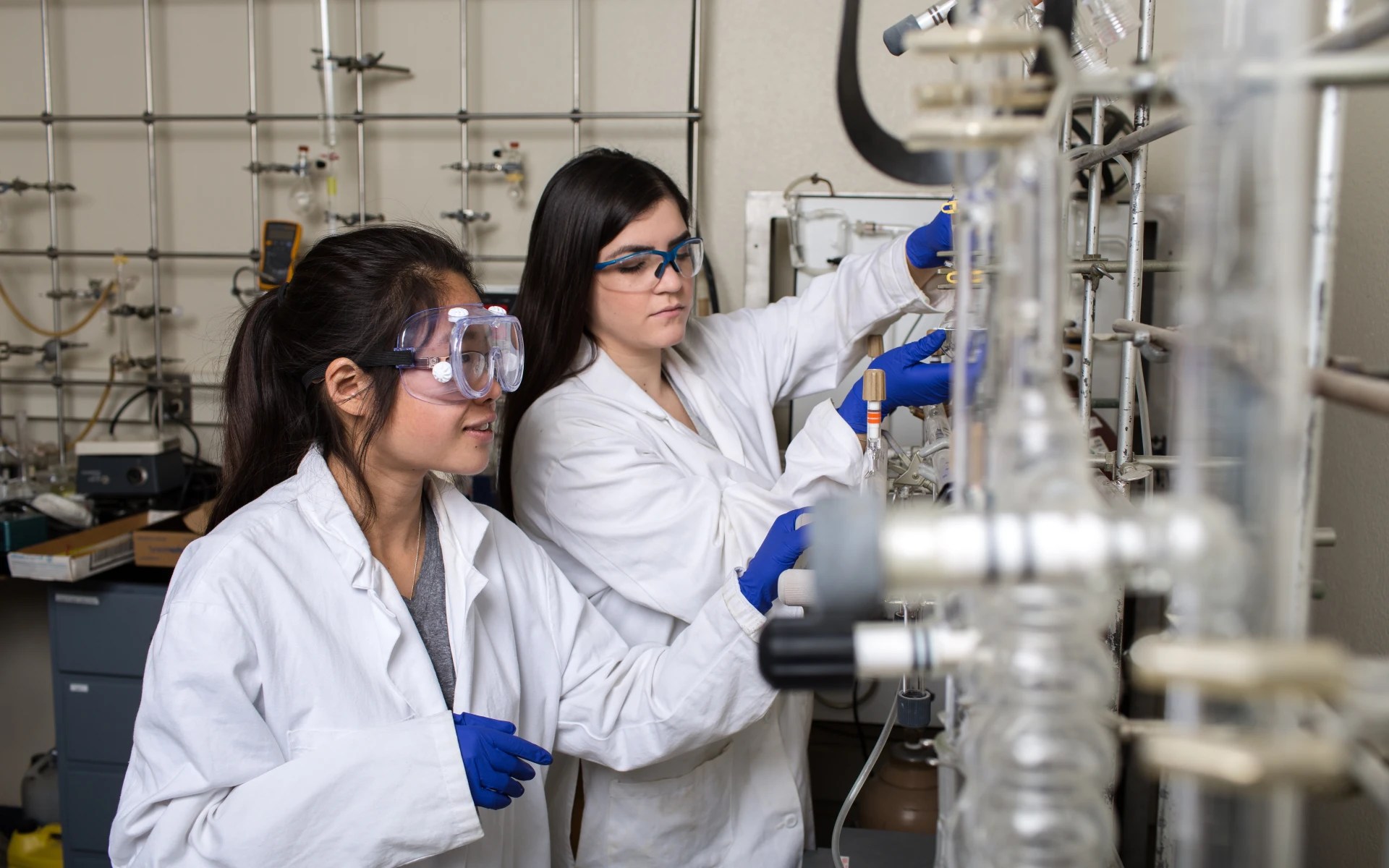
Discover how the smallest building blocks of creation form the foundation for everything around us through the Chemistry Minor at Concordia University Irvine. You’ll strengthen your analytical thinking, problem-solving, and data interpretation skills as you study the properties, structures, and reactions of atoms, ions, and molecules.
This minor offers three flexible versions tailored to your academic path — one for B.A. in Biology students, one for B.S. in Biology students, and one for students majoring in other disciplines. Each option is designed to complement your degree and ensure coursework builds upon, rather than duplicates, your major requirements.
View the Concordia University Irvine Online Catalog for a full list of courses.
FAQs
Is a minor in chemistry useful?
A minor in chemistry can be especially valuable if you’re pursuing a career in the sciences, healthcare, or research. It demonstrates your ability to think critically, apply mathematical reasoning, and analyze data — all skills that are highly sought after by employers in STEM and related fields.
Even if you’re majoring outside the sciences, minoring in chemistry shows that you can approach problems methodically and understand the processes that shape the natural world.
What are chemistry minor requirements?
At Concordia, there are three versions of the Chemistry Minor designed to align with your major:
- B.A. in Biology students
- B.S. in Biology students
- Students majoring outside biology
Each version includes foundational and upper-level coursework in general and organic chemistry, with slight variations to avoid overlapping with major requirements.
What can you do with a chemistry background?
A background in chemistry can prepare you for roles such as lab technician, researcher, or chemist, and provides valuable scientific literacy for fields like healthcare, education, and environmental science. According to the U.S. Bureau of Labor Statistics, employment for chemists and materials scientists is projected to grow 5% from 2024 to 2034.¹
Related Programs
-

Sociology
Learn what makes communities thrive with a minor in sociology.
-

Psychology
Discover how the human mind works with a minor in…
-

Political Thought
Explore the ideas that have shaped politics, law, and society.
-

Musical Theatre
Share your gifts and your voice with a minor in…
-
Music – Minor
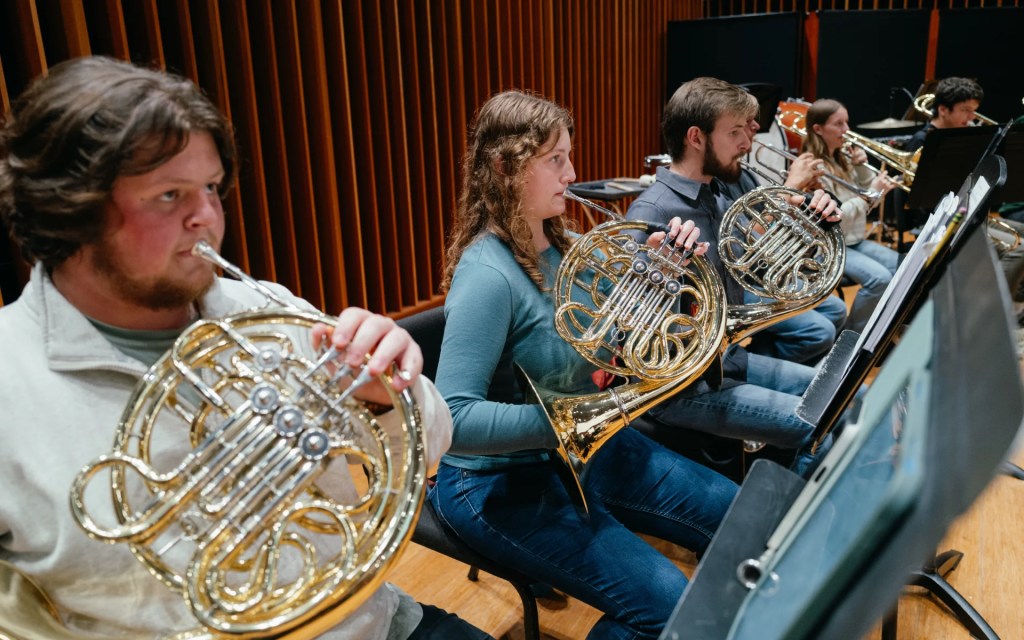
Study at one of SoCal’s premier centers for music and…
-

Mathematics – Minor
Strengthen your problem-solving skills when you minor in math.
-

Law and Politics
Explore justice, ethics, and leadership through law and politics.
-
History
Explore the past to shape your understanding of the present.
-
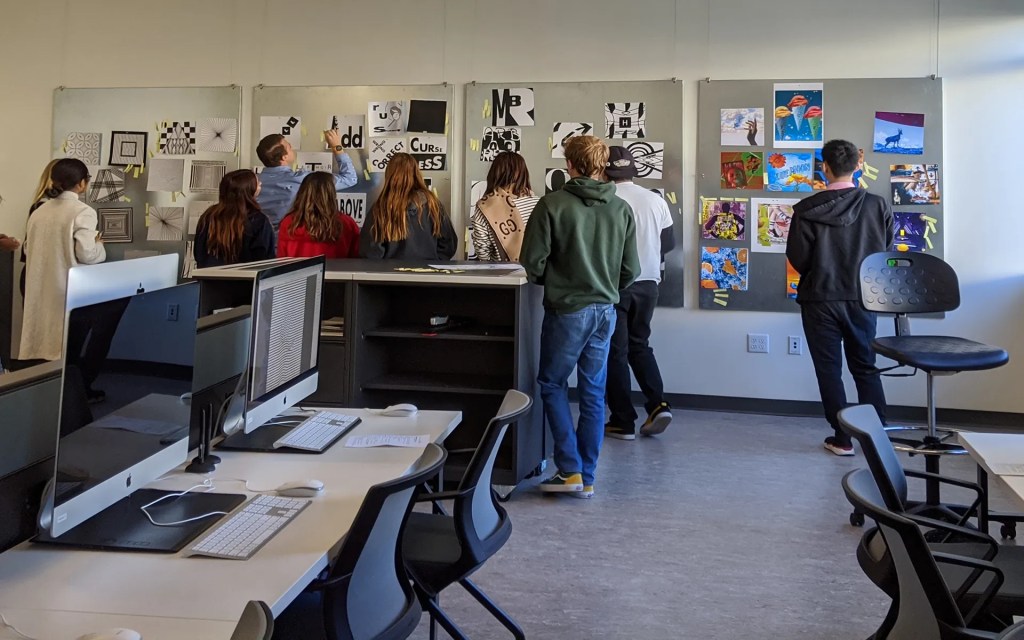
Graphic Design – Minor
Learn how to use the power of design to inspire…
-

Global Cultural Studies
Experience the world through study, service, and global travel.