


Earn a $1,000 new student scholarship, applied automatically when you enroll for the Spring 2027 term.

Master of Arts in Counseling: Clinical Mental Health Counseling
Help people move beyond coping to restoration with a master’s in counseling.
Get Started Today
Ready to learn more about Concordia University Irvine?
Complete this form, and an admissions counselor will connect with you.
"*" indicates required fields
Meaningful Change Can Start With You
Bring healing, hope, and meaningful change to the lives of those you serve with the CACREP-accredited Master of Arts in Counseling from the Townsend Institute at Concordia University Irvine. Choose from two specialized emphases — Clinical Mental Health Counseling or Marriage, Couples, and Family Counseling — and prepare for professional licensure and real-world clinical practice.
Designed for working adults, this online program can be completed in as few as 24 months and combines flexible coursework with meaningful, relational learning experiences. You’ll develop the skills to support clients facing challenges such as anxiety, trauma, addiction, and relational conflict using evidence-based approaches grounded in empathy, neuroscience, and whole-person wellness. At the Townsend Institute, clinical training is inseparable from faith — forming counselors who bring both professional competence and Christian compassion to every client they serve.
Through online coursework and required in-person residencies, you’ll engage in experiential learning, process groups, and live training with seasoned practitioners. These immersive experiences foster both personal and professional growth while helping you develop the relational presence essential to effective counseling. Begin your journey toward becoming a compassionate, clinically informed counselor with the Townsend Institute’s Master of Arts in Counseling.
Online and On Campus
Study online, and complete a residency on campus.
60 units and a 4-Day Residency
Attend in-person trainings with Dr. Townsend.
$715/Unit
Financial aid is available to those who qualify.


“God transformed me through the Townsend Institute’s counseling program. When somebody comes into my office, no matter the issue or diagnosis, I have the capacity now of being present with them in whatever they’re experiencing. That speaks to the counseling aspects I learned [from Concordia University Irvine].”
Anthony Johnson ’19
Getting Started
Through our CACREP-accredited program, you will gain marketable skills that can offer a professional advantage in your vocation. This program can lead to licensure in most states. It is the sole responsibility of the student, not the program, to obtain information regarding prerequisites for licensure as outlined by their particular state board of counseling. View State Licensure Boards for more information.
Through Concordia’s online M.A. in mental health counseling, you’ll gain competency in over 20 skills that use the transformative power of relationship, emotions, and cognitions to create profound and lasting change.
Next Start
March 1, 2027
Curriculum
Core Curriculum (Sample Courses):
- COUN599 – Townsend Institute Residency
- COUN600 – Townsend Institute Orientation
- COUN601 – Human Growth and Development
- COUN602 – Theories of Counseling
- COUN603 – Clinical Psychopathology and Diagnosis
- COUN604 – Theory and Practice of Groups
- COUN605 – Legal, Ethical and Professional Issues
- COUN607 – Social and Cultural Foundations
- COUN609 – Theory and Practice of Assessment
- COUN610 – Townsend Model Theory and Application
- COUN611 – Foundations of Crisis and Trauma Counseling
- COUN612 – Career and Lifestyle Development
- COUN613 – Foundations of Addiction Counseling
- COUN614 – Methods and Practice of Research and Evaluation
- COUN633 – Counseling Skills and Techniques
Clinical Mental Health Counseling Emphasis (Required Courses):
- COUN606 – Foundations and Contextual Dimensions of Mental Health Counseling
- COUN640 – Supervised Practicum
- COUN641 – Supervised Internship I
- COUN642 – Supervised Internship II
View the Concordia University Irvine Online Catalog for a full list of courses.
Upon completion of your Master of Arts in Counseling, you’ll be able to:
- Master relevant aspects of conducting research, statistical procedures, methods, assessment, and program evaluation and utilization to improve counseling effectiveness.
- Analyze and apply the concepts necessary to use your skills in individual/small group counseling, couples, family systems, organizational consultation/collaboration, and community partnerships.
- Assess and apply standards of ethical leadership, informed by Christian principles and values to the counseling setting in which you practice, as well as in accordance with the ACA Code of Ethics, legal precedence, and other appropriate licensure standards.
- Communicate through effective problem-solving, decision-making, and conflict resolution to support individuals, couples, families, groups, and organizations through use of applicable methods while adjusting for diverse settings and context.
- Work with the diversity of behaviors found in individuals, groups, couples, and families across the lifespan.
- Interact with local, regional, national, and international communities by contributing to the body of research, participating in professional development and working with community agencies to provide counseling services to their local and global society.
Program Learning Outcomes (PLOs)
- Professional Counseling Orientation and Ethical Practice: Graduates will develop a professional identity as a counselor in alignment with ethical and legal standards, informed by Concordia Lutheran Christian identity, and exhibit the dispositions related to effective, ethical practice.
- Social and Cultural Identities and Experiences: Graduates will develop an understanding of theories and models of multicultural counseling and advocacy while demonstrating multicultural competence in their interactions with individuals, families, and groups.
- Lifespan Development: Graduates will incorporate theories and principles of optimal lifespan development in order to promote resilience and wellness in individuals and families across the lifespan.
- Career Development: Graduates will demonstrate the ability to conceptualize the interrelationship among work, socioeconomic standing, wellness, disability, trauma, relationship, and other life roles for clients’ diverse career needs and educational development.
- Counseling Practice and Relationships: Graduates will apply theories and models of counseling through essential interviewing, counseling, and case conceptualizations skills, while integrating developmentally relevant and culturally sustaining treatment and intervention plans.
- Group Counseling and Group Work: Graduates will demonstrate knowledge of the theoretical foundations of group counseling and group work, including how to effectively facilitate group practice, navigate group dynamics, and implement appropriate therapeutic facts unique to working with groups.
- Assessment and Diagnostic Process: Graduates will acquire, refine, and demonstrate an ability to assess client issues for diagnosis and treatment planning utilizing culturally sustaining and developmentally appropriate methods.
- Research and Program Evaluation: Graduates will demonstrate the ability to critique research to incorporate evidence-based counseling practices in various settings.
- Specialty Counseling Practice: Graduates will acquire, refine, and demonstrate appropriate skills specific to their chosen counseling specialty (i.e., Clinical Mental Health Counseling or Marriage, Couple, and Family Counseling).
Program Mission Statement
As a Christ-centered counseling program, our mission is to develop competent, culturally informed counselors, educators, supervisors, scholars, leaders, and advocates to promote the wellness of all populations and systems. We are dedicated to preparing wise, honorable, cultivated citizens through a connected community of learners, empowering them to advance the counseling field and effect positive societal change from a research-supported perspective.
Accreditation
Council for Accreditation of Counseling and Related Educational Programs
The Council for Accreditation of Counseling and Related Educational Programs (CACREP) is a governing body that accredits master’s and doctoral degree programs in counseling and related programs that are offered by colleges and universities in the United States and throughout the world. Receiving accredited status means that the reviewed program substantially meets the critical quality-related program requirements for accredited status and assures that graduates have met the majority of the educational requirements for licensure or certification as a counselor in all states. Concordia University Irvine, in partnership with the Townsend Institute, chose to voluntarily undergo an extensive external review with CACREP to evaluate the quality of our Master of Arts in Counseling Program: Clinical Mental Health and Doctor of Philosophy in Counselor Education and Supervision and earned CACREP accreditation.
Residency
There is great value in frequent, real-time interaction with fellow students and your instructors. That’s why our graduate programs launch with a 4-Day Residency where you will meet Dr. Townsend personally as he and our Institute Fellows conduct a series of trainings. You will also go through 8 process-focused growth groups that are truly transformative. Learn more about the 4-day Residency by registering for an online Townsend LIVE info night.
Tuition and Fees
At Concordia, we understand that investing in your education is a significant decision. That’s why we offer a variety of scholarships and financial aid options to help make your academic journey more affordable. View tuition costs and fees.
Admission Requirements
Admission requirements for the M.A. in Counseling: Clinical Mental Health Counseling include:
- Completed application with a nonrefundable $50 application fee
- One official transcript from a regionally accredited college or university showing your confirmed bachelor’s degree
- Cumulative GPA of 3.00 on a 4.00 scale
- A 2-page (500-word) written essay addressing your personal, professional, and educational goals, your fit for effective counseling relationships, and your interest in the Townsend Institute
- Minimum of 2 professional references who have overseen you in a professional capacity (peers, colleagues, friends, and family are not accepted)
- A current professional resume
- Group interview with program faculty
View the Graduate Application page for the full essay prompts and application steps.
Townsend Information Sessions
Experience a new kind of relational education. Join us online for a Townsend Institute LIVE info night and hear from our faculty, academic advisors, current students, and alumni about their experience in the Townsend Institute.
Career Outcomes
Increased demand for therapists is expected because of the number of people who have mental health and behavioral disorders: Employment of mental health, substance abuse, and behavioral disorder counselors is projected to grow 19% from 2023 to 2033 – almost five times faster than the average of all occupations.1
That’s about 48,900 openings projected each year, on average, over the decade.1 Plus, California employs more counselors than any other state – more than double the rate of the next state on the list.1

Networking Opportunities
As a graduate student at Concordia, you’ll become part of a vibrant community of over 25,000 alumni and over 3,500 peers, fostering meaningful connections that support both personal and professional growth. Our dedicated faculty and staff are committed to helping you discover and develop your callings through mentorship and collaboration.
Southern California is one of the largest and most diverse mental health markets in the country, giving Townsend graduates access to a wide range of clinical settings — from community agencies and private practices to hospital systems and integrated care environments. Irvine’s proximity to Los Angeles and San Diego means you’re stepping into a region with significant demand for licensed counselors and a robust network of professionals already in the field.
Irvine’s strategic position in Southern California provides access to a dynamic business ecosystem, making it an ideal place to build your professional network. Whether you’re attending on-campus events or engaging with our online community, Concordia offers the resources and support to help you thrive in your various vocations.
Explore Financial Aid
Reduce your tuition costs with financial aid — with help from a team that wants to make your time at Concordia as affordable as possible.
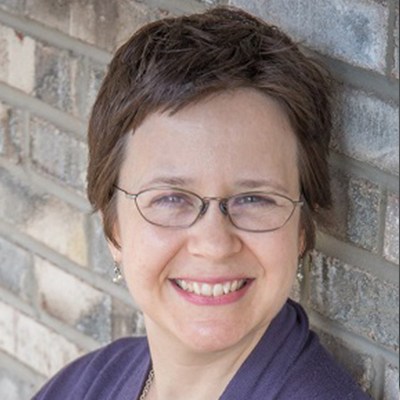
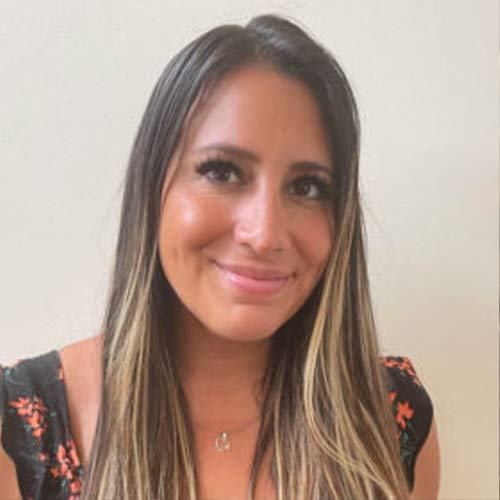
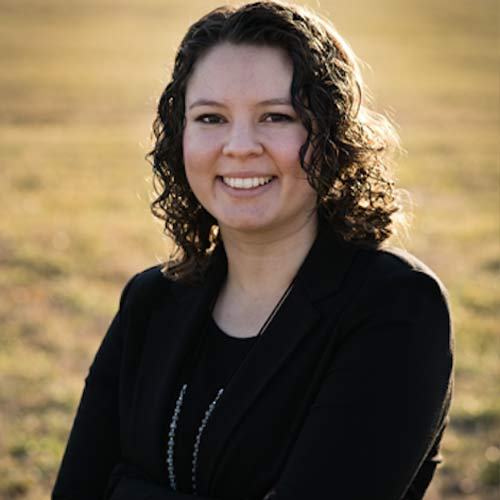
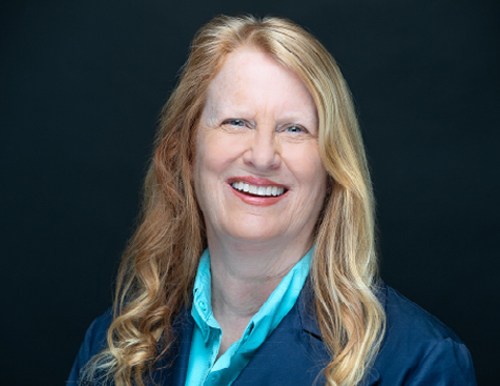
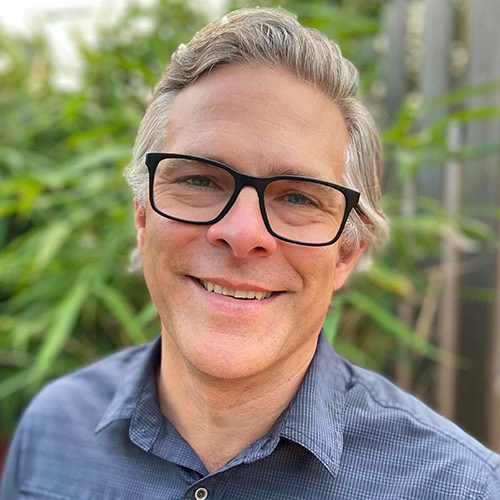
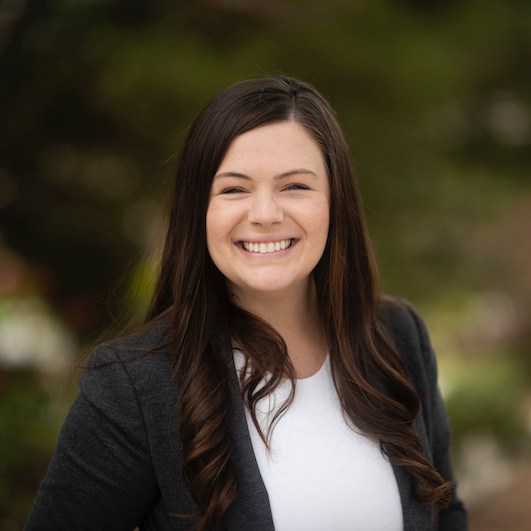
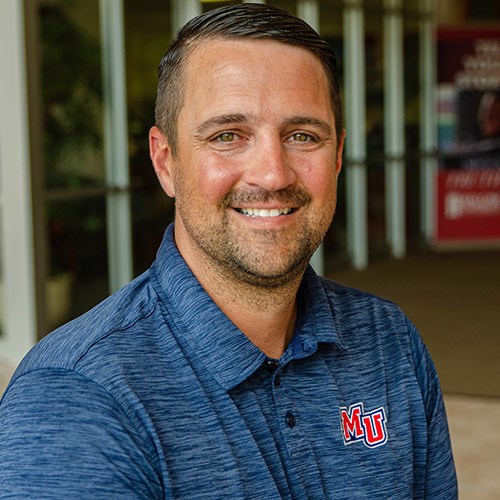
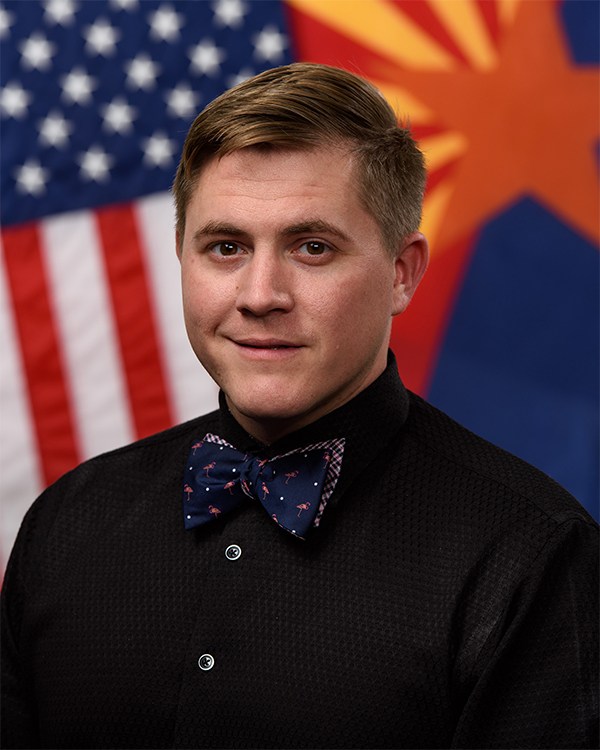
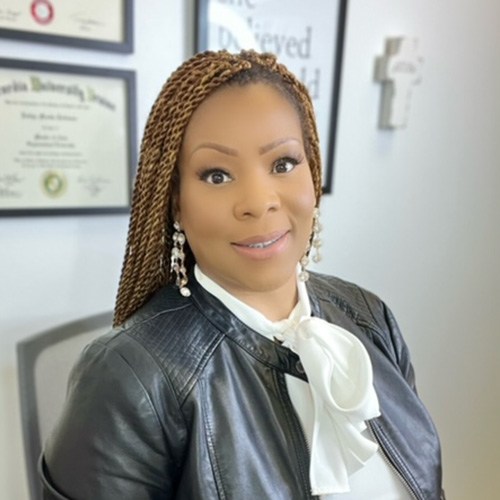
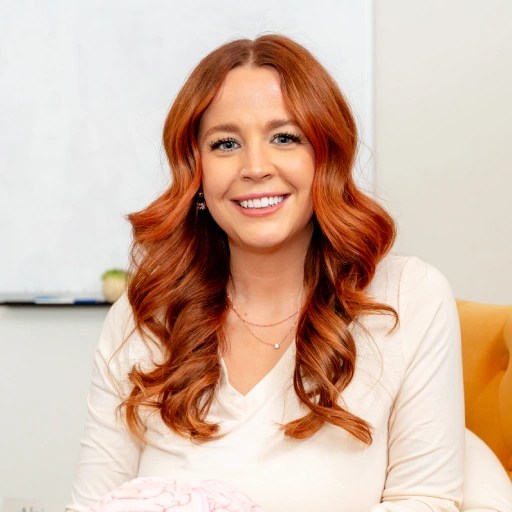
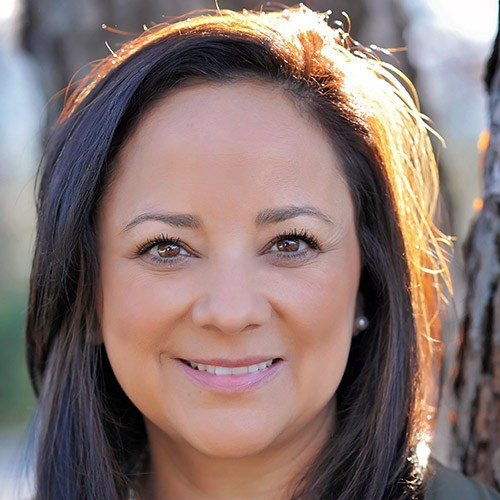
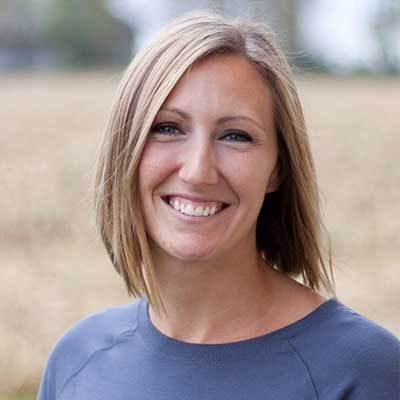
Meet Our Faculty
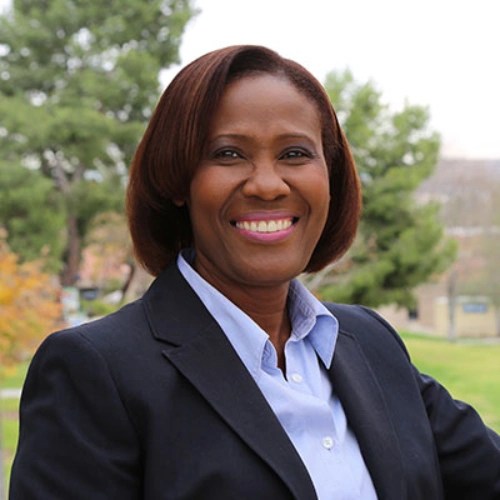
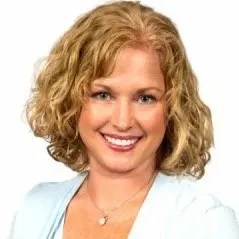
-
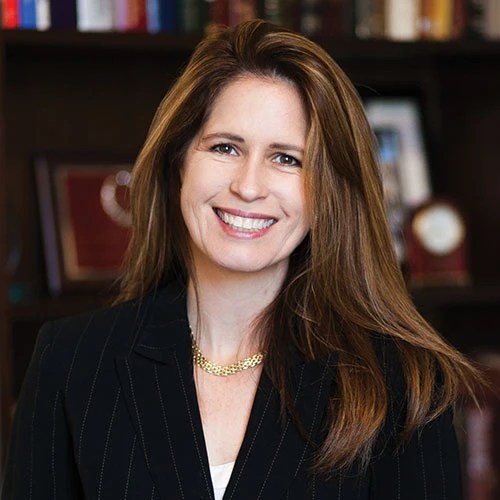
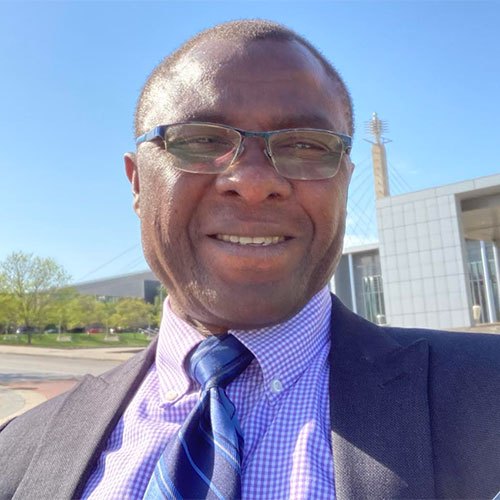
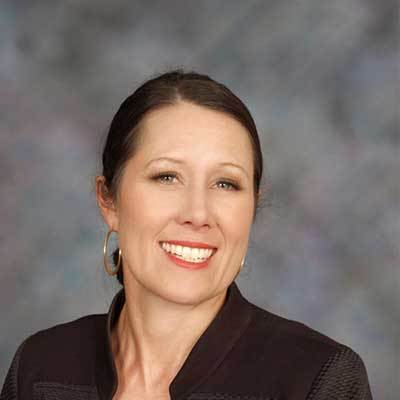
Margaret Christmas Thomas
Dean, Townsend Institute for Counseling and Leadership
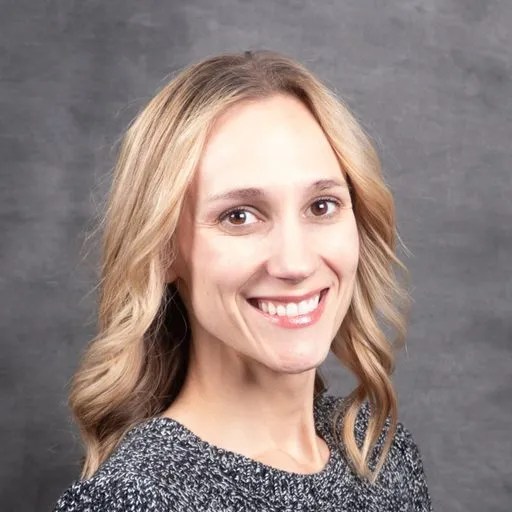
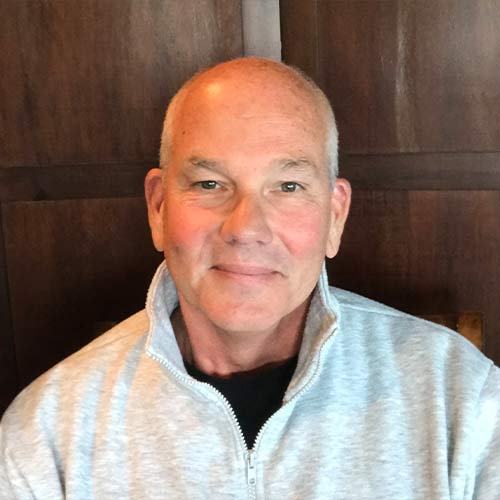
-

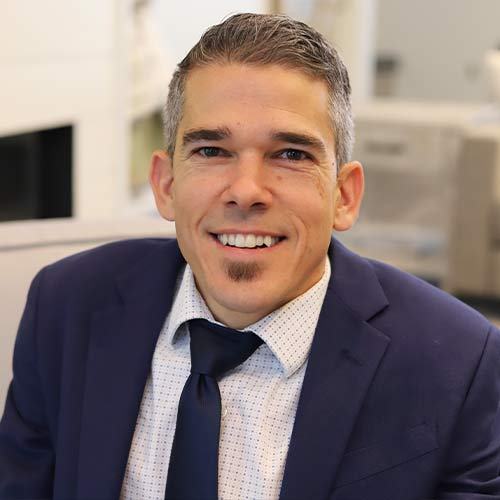
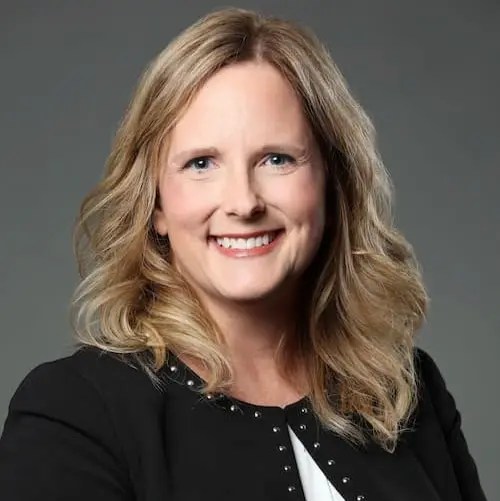
Donna Washburn
Assistant Dean, Director of Curriculum and Assessment; Professor of Counseling
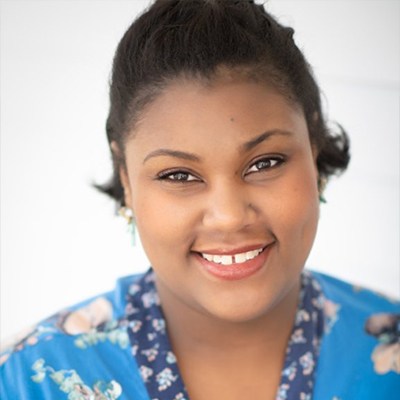
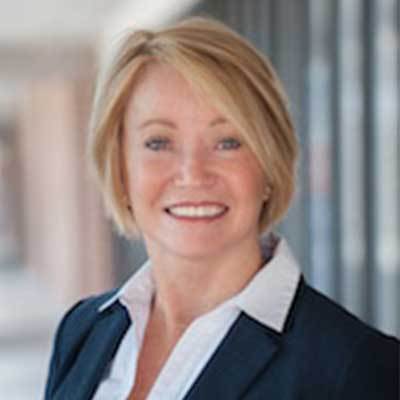
-
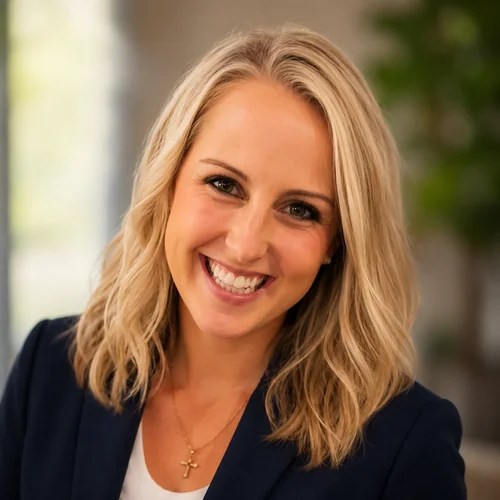
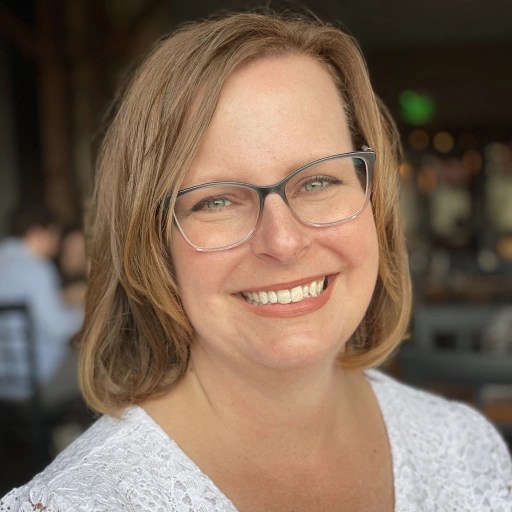
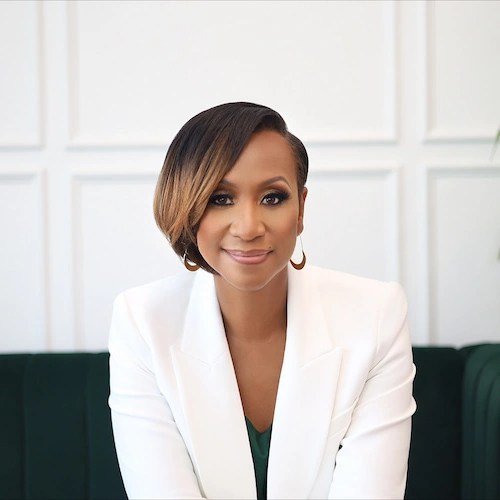
Ashlie Andrew
Director of Organizational Leadership; Associate Professor & Program Director
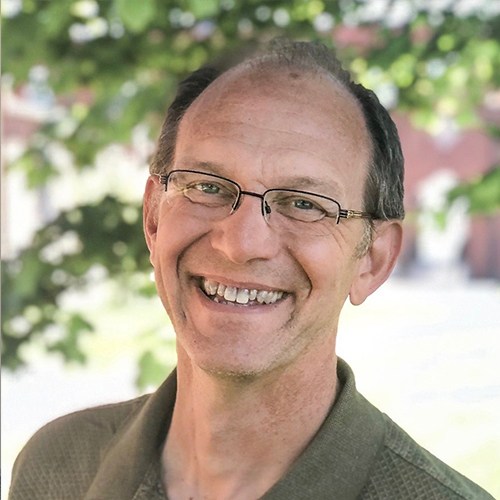
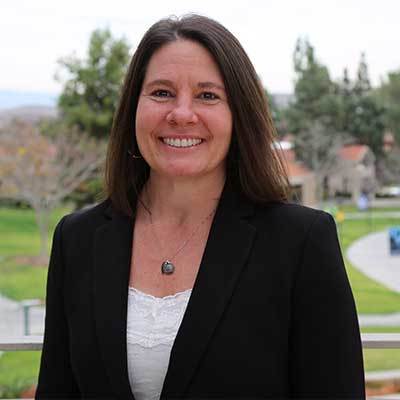
-
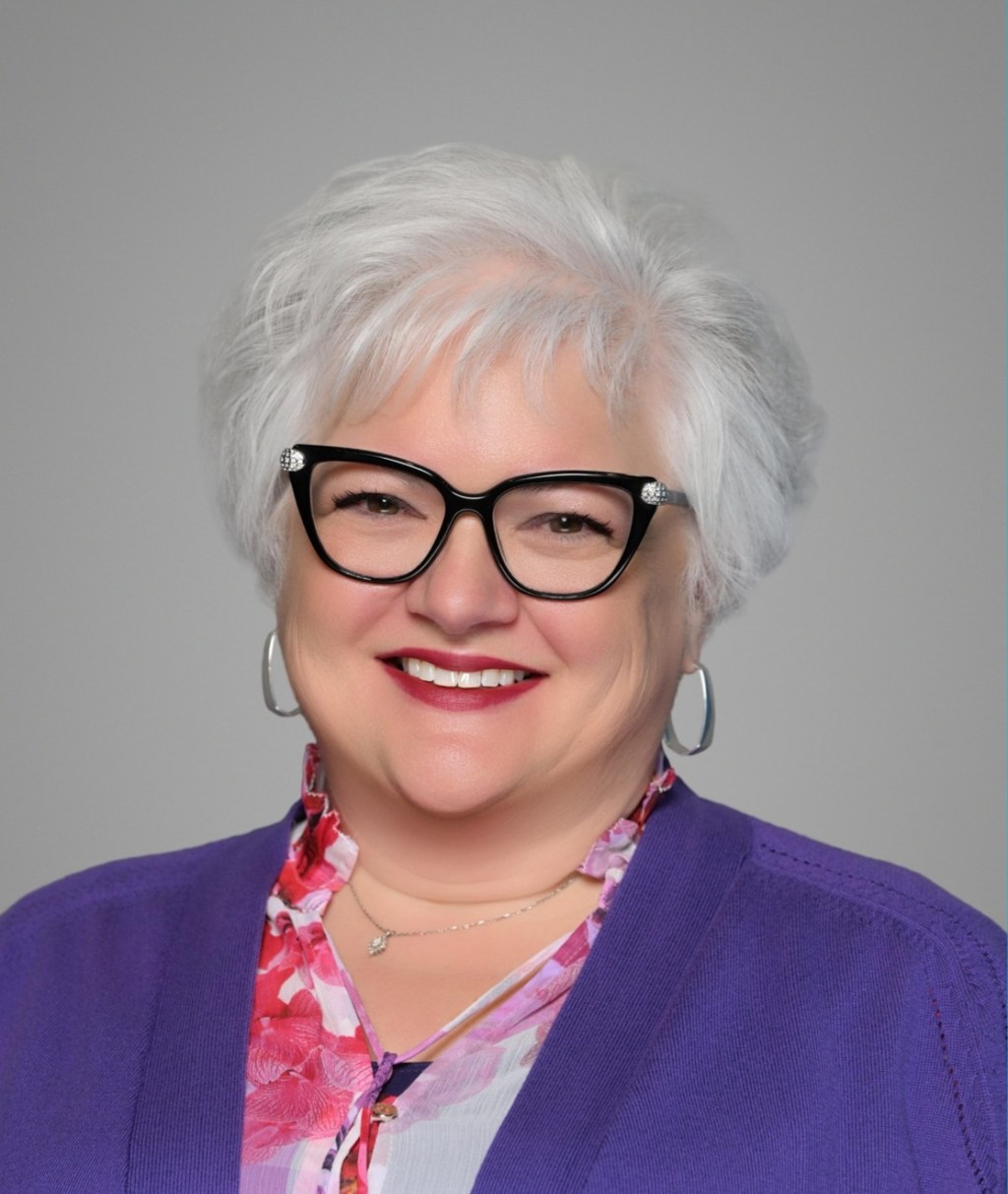
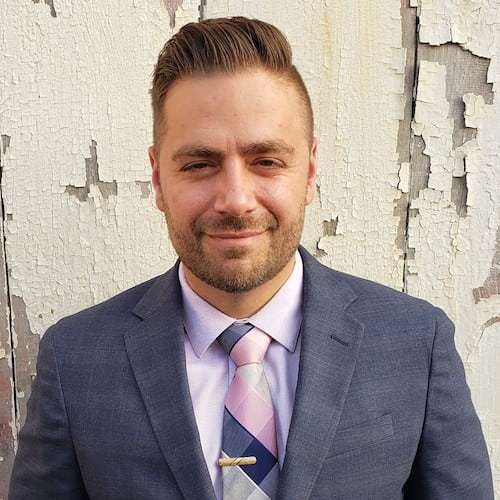
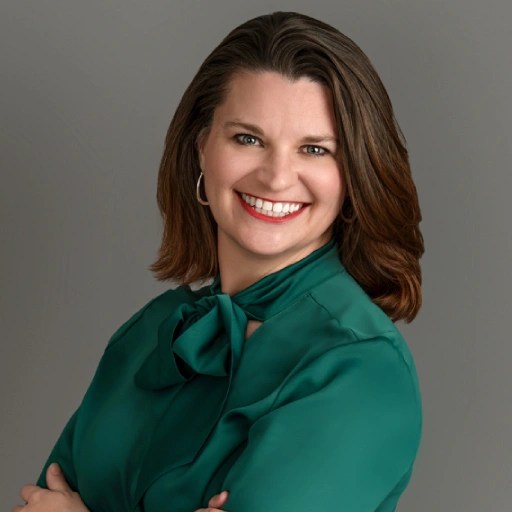
Michelle Thompson
Director of Executive Coaching & Consulting, Senior Director of External…
-
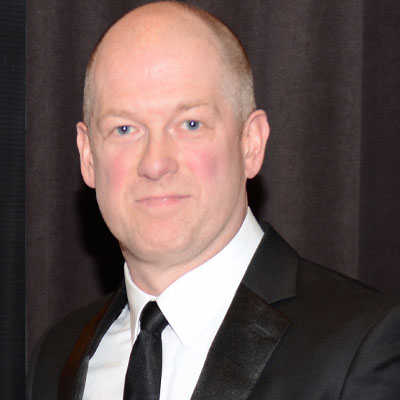
Matthew Paylo
Director of Counseling Programs; Professor of Counseling (Core Faculty)
-
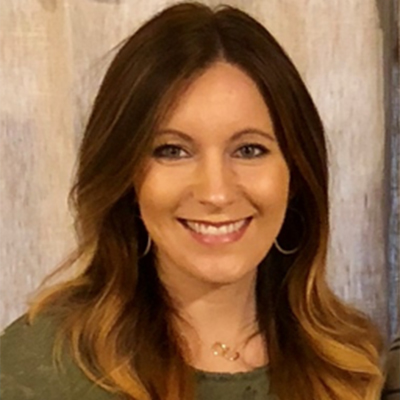
Kaitlyn Stafford
Assistant Director of Counseling Programs; Assistant Professor
-
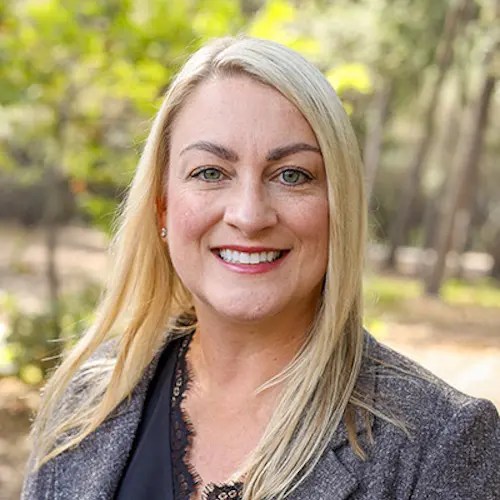
Kellie Playter
Assistant Professor & Internship Director, School of Business & Economics

















FAQs
Does a master’s in counseling make you a therapist?
In most states, yes—earning a Master of Arts in Clinical Mental Health Counseling is the primary pathway to becoming a licensed therapist. However, the answer depends on the type of counseling program and the scope of practice it prepares you for.
Clinical mental health counseling programs—like the one offered at Concordia—provide specialized training that prepares graduates to become licensed professionals who can:
- Conduct clinical assessments
- Formulate diagnoses under the state scope of practice
- Implement evidence-based treatment plans
- Provide counseling to individuals, couples, families, and groups
- Work in a wide variety of mental health and healthcare settings
Clinical programs emphasize psychopathology, research supported interventions, ethics, assessment, and treatment planning, giving you the competencies required for state licensure as a therapist (often titled LPCC, LMHC, LPC, or similar depending on the state).
The program at Concordia University is a clinical mental health counseling program. This means:
- You receive specialized training in diagnosis, assessment, treatment planning, and psychotherapy.
- You complete clinical practicum and internship hours under supervision.
- You are prepared to pursue state licensure as a professional clinical mental health counselor.
- Your coursework is aligned with national professional standards and competencies expected of licensed therapists.
In short: Yes—Concordia’s MA in Clinical Mental Health Counseling prepares you to become a therapist, provided you complete the required supervised hours and meet your state’s licensure requirements.
Is a master’s in counseling worth it?
Absolutely. Earning a Master of Arts in Clinical Mental Health Counseling can open the door to a deeply meaningful and impactful career. With this degree, you gain the knowledge and skills to help individuals, couples, families, and communities navigate challenges, improve their well‑being, and create lasting positive change. If you feel called to support others, foster resilience, and promote mental and emotional health, this degree can be a powerful fit for your professional goals.
At Concordia, the M.A. in Clinical Mental Health Counseling is designed to prepare you for real‑world, evidence‑based practice. You will develop a strong clinical foundation through coursework that covers:
- Psychopathology and Diagnosis
Understanding mental health disorders, assessment, and treatment planning. - Crisis, Trauma, and Grief Counseling
Learning how to support clients in acute distress and long‑term recovery. - Career Development and Counseling Theories
Helping clients find direction, purpose, and well‑being across the lifespan. - Human Growth, Development, and Family Systems
Exploring how individuals and families function within broader relational and social contexts. - Multicultural and Social Justice Counseling
Developing culturally responsive skills to work with diverse populations. - Group Counseling and Clinical Skills Training
Building therapeutic communication skills through experiential learning, supervision, and practicum experiences.
As part of your training, you also complete supervised fieldwork that prepares you to work in a variety of settings, including community agencies, schools, hospitals, private practices, and integrated healthcare environments.A master’s degree in clinical mental health counseling not only equips you for licensure and professional practice—it positions you to enter a growing field that values compassion, critical thinking, and clinical expertise. For many, the work is not just a career but a calling.
Related Programs
-

Marriage, Couple, and Family (MA Counseling)
Facilitate healing, growth, and renewal for couples and families.
-

Organizational Leadership
Revamp Your Leadership and Refine your Life Through Competence, Character…
-

Executive Coaching and Consulting
Get the training to help executives and teams lead most…
-

Executive Coaching and Leadership – Ph.D.
Serve, lead, and transform the field of executive coaching and…
-
Counselor Education and Supervision
Teach and serve future generations of counselors.
-

Professional Coaching Certificate
Help executives lead and thrive in the modern workplace.
-

Organizational Leadership: Professional Certification or Advanced Certification
Learn to lead at the next level with a leadership…
-

Early Childhood – MAED
Create learning experiences that make an impact on young learners.
-
Managerial Science – MBA
Grow as a strategic manager in business and STEM-driven industries.
-
Theology – MA
Advance in your understanding of the Christian faith.
Sources
1U.S. Bureau of Labor Statistics, U.S. Department of Labor, on the internet, at:
- https://www.bls.gov/ooh/community-and-social-service/substance-abuse-behavioral-disorder-and-mental-health-counselors.htm (viewed Dec. 26, 2024),
- https://www.bls.gov/oes/current/oes211018.htm#st (viewed Dec. 26, 2024).
Cited projections may not reflect local and/or short-term economic or job conditions and do not guarantee actual job growth.