

Bachelor of Arts in Chemistry
Experiment, explore, and understand the world with a chemistry major.
Get Started Today
Ready to learn more about Concordia University Irvine?
Complete this form, and an admissions counselor will connect with you.
"*" indicates required fields
Ignite Your Future in Chemistry
Curious about how the world works on a molecular level? The Bachelor of Arts in Chemistry at Concordia University Irvine lets you explore the building blocks of creation, from the reactions that sustain life to the materials that shape our future.
As a chemistry major, you’ll study how matter behaves and interacts across the natural sciences, including biology, geology, physics, and engineering.
The B.A. in Chemistry provides flexibility to pursue a double major or complementary minor, making it ideal for students preparing for careers in education, business, healthcare, or science communication — or for those planning graduate study in non-laboratory fields.
Career Relevant
Gain real-world skills for a life of service and leadership.
Collaborative Classes
Learn in classes with a 15:1 student-to-faculty ratio.
Opportunity Awaits
Engage in faculty-led research projects on campus.
Getting Started
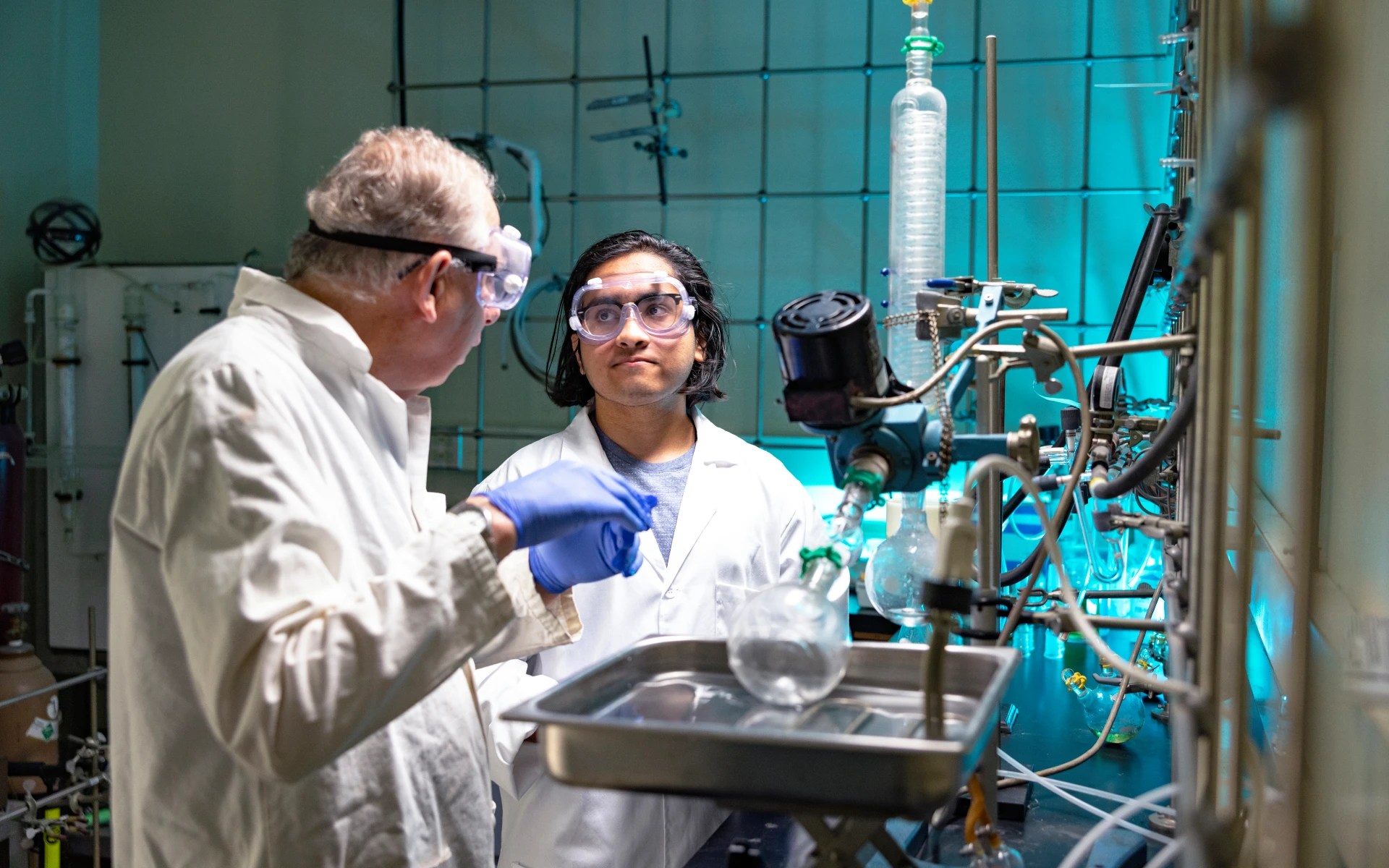
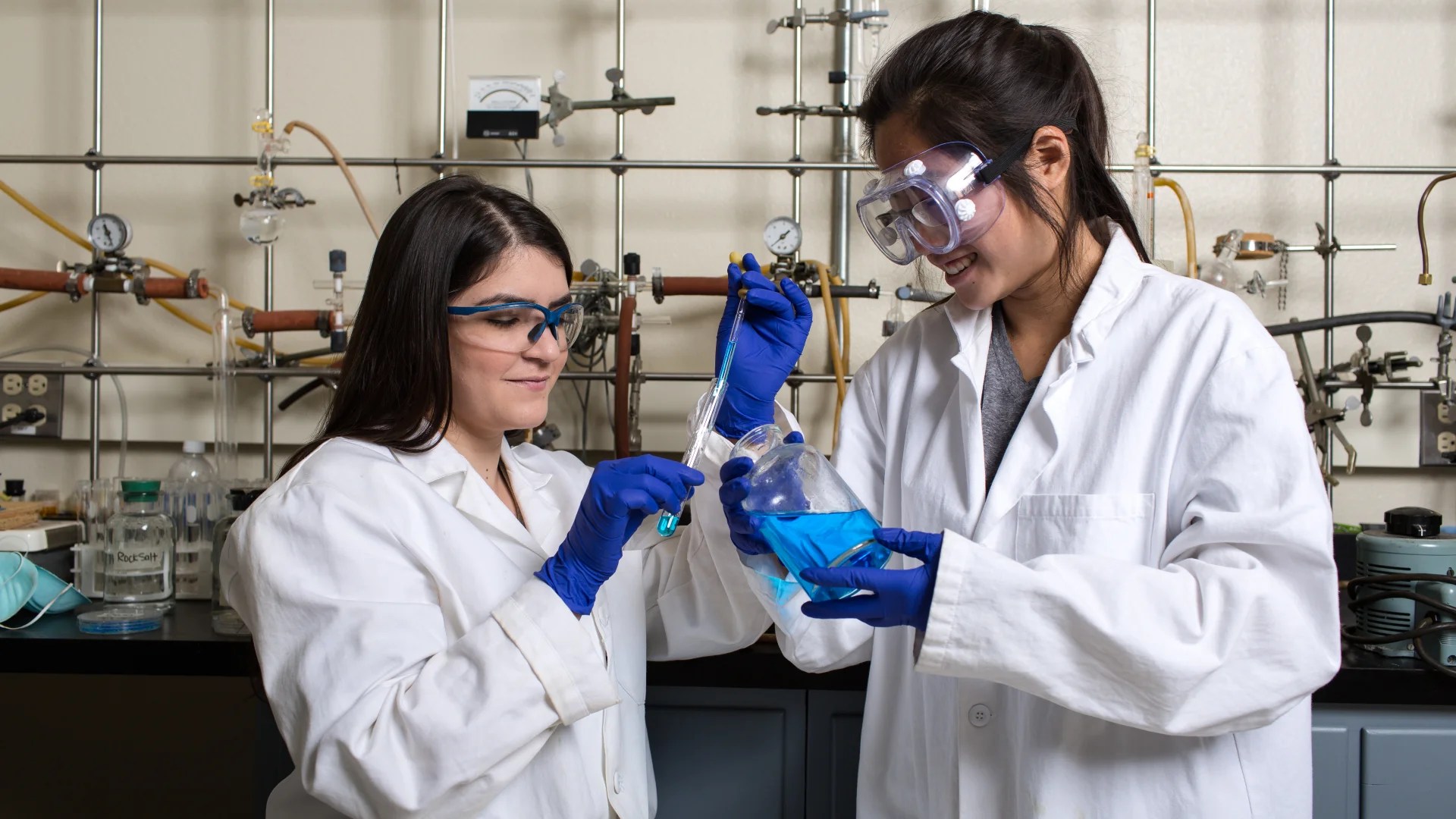
The B.A. in Chemistry program at Concordia offers both academic rigor and hands-on experience. Nearly every course includes a laboratory component, giving you a strong foundation in analytical methods, problem-solving, and experimental design.
Next Start
January 11, 2027
Curriculum
Core Curriculum (Sample Courses):
- CHE222 – Chemistry II
- CHE321 – Organic Chemistry I
- CHE354 – Inorganic Chemistry
- CHE421 – Biochemistry I
- CHE424 – Analytical Chemistry
- CHE496 – Research in Chemistry
- CHE499 – Senior Thesis
- PHY211 – Physics I
- OR PHY221 – Calculus-based Physics I
- SCI455 – History and Philosophy of Science
- SCI495 – Research Methods
View the Concordia University Irvine Online Catalog for a full list of courses.
In the chemistry major program, you will:
- Describe and apply key principles and concepts in chemistry.
- Critically read and evaluate peer-reviewed scientific literature.
- Design and conduct experiments using the scientific method.
- Analyze and interpret data using quantitative and logical reasoning.
- Communicate results clearly through scientific writing and presentation.
- Integrate Christian faith with scientific inquiry and vocational purpose.
- Collaborate on chemistry-based service projects and research initiatives.
Tuition and Fees
At Concordia, we understand that investing in your education is a significant decision. That’s why we offer a variety of scholarships and financial aid options to help make your academic journey more affordable. In fact, 100% of our students receive some form of financial assistance! View tuition costs and fees for undergraduate programs.
Admission Requirements
View the Application page for full details on application and admission requirements.
Nationally Recognized Q&I Curriculum
Concordia University Irvine is among a distinctive group of universities that offer a comprehensive liberal arts curriculum for all of its students. Our nationally recognized Enduring Questions & Ideas curriculum (Q&I, for short) is carefully crafted so that you discover the purpose of a liberal arts education — to grow intellectually, ethically, and spiritually.

Research Opportunities
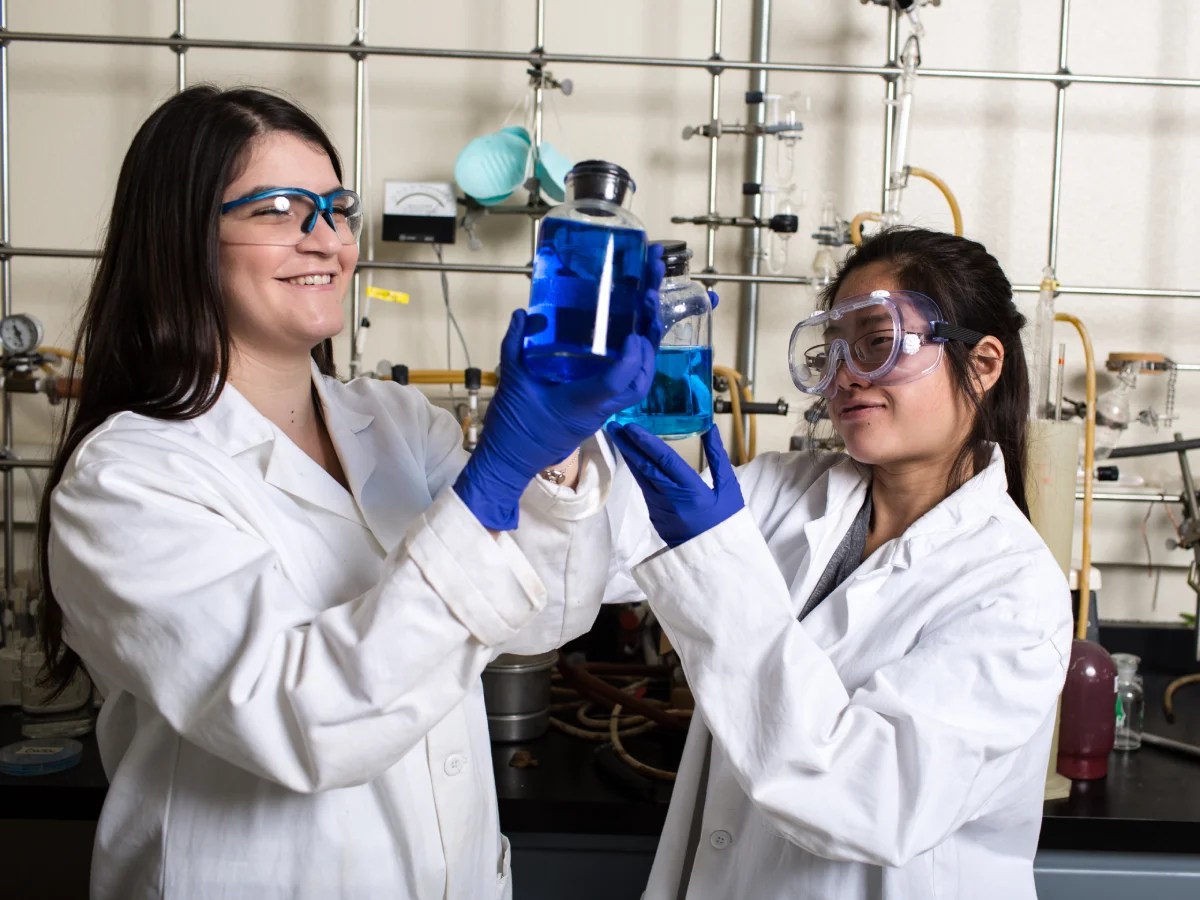
As a chemistry major, you’ll gain practical research experience in Concordia’s modern laboratories and through faculty-led projects in chemical physics, biochemistry, and molecular biology along with having the opportunity to present findings at campus and regional events.
You’ll have opportunities to:
- Participate in semester and summer research projects
- Present at the President’s Academic Showcase
- Publish or collaborate on peer-reviewed journals
- Attend regional scientific conferences
Career Outcomes
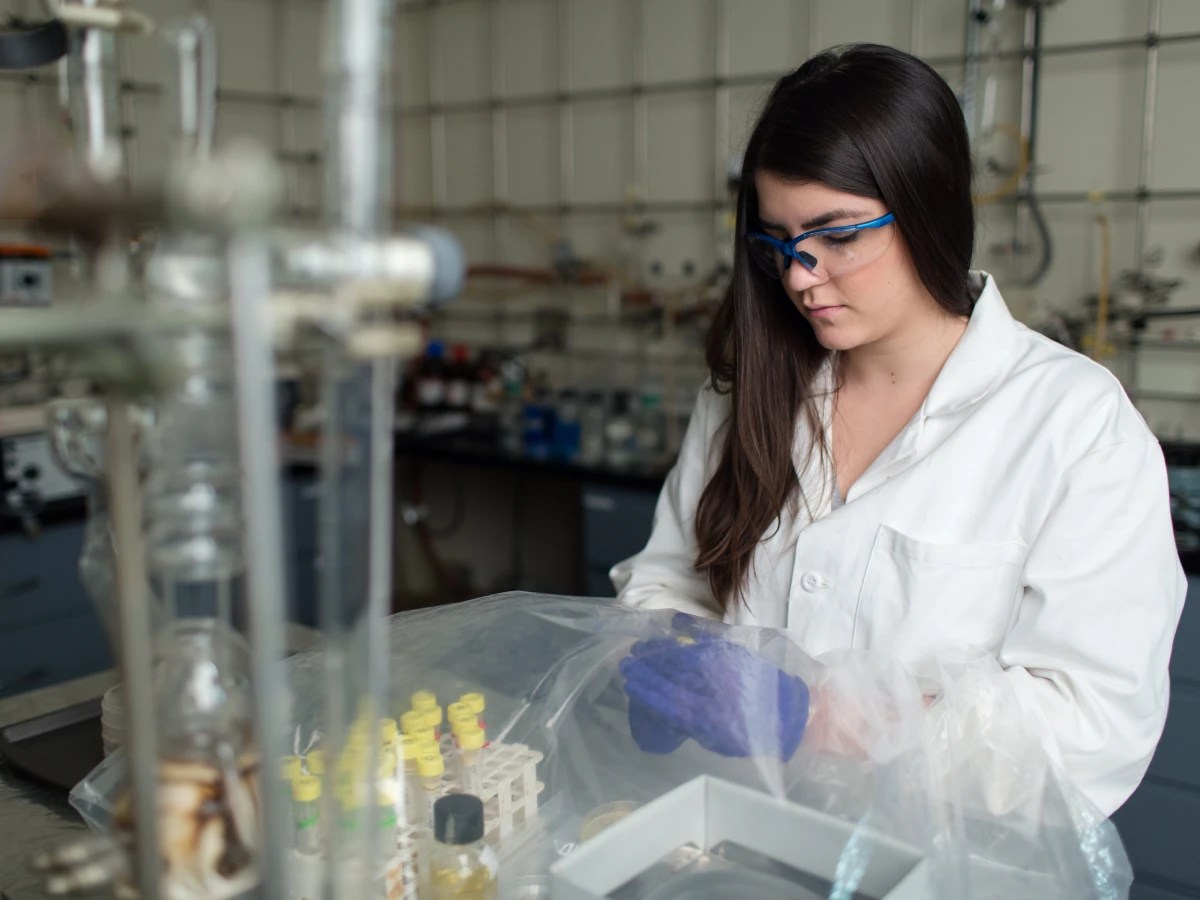
A B.A. in Chemistry can prepare you for a variety of career paths, both within and beyond the lab. Many graduates pursue advanced degrees, while others apply their chemistry foundation to careers in education, business, or public service.
There are many types of chemists you can be, including:
- Analytical chemist
- Forensic chemist
- Inorganic chemist
- Medicinal chemist
- Organic chemist
- Physical chemist
- Theoretical chemist
Chemistry majors also find success in industries ranging from manufacturing and healthcare to government research and environmental analysis. According to the U.S. Bureau of Labor Statistics, employment for chemists is projected to grow 5% from 2024–2034, faster than the average.1
Academic Opportunities
The chemistry program is designed to encourage collaboration across the sciences. This flexibility allows you to customize your academic path to your goals. Many students pursue interdisciplinary study or a double major in related fields such as:
Extracurricular Activities
Chemistry majors at Concordia build community and gain leadership experience through clubs and organizations that merge science and service, including:
- American Chemical Society Student Chapter
- MedHeads Medical Club
Our students also collaborate on chemistry-themed, community service projects, sponsor special activities, and bring in distinguished guest speakers.
Life at Concordia
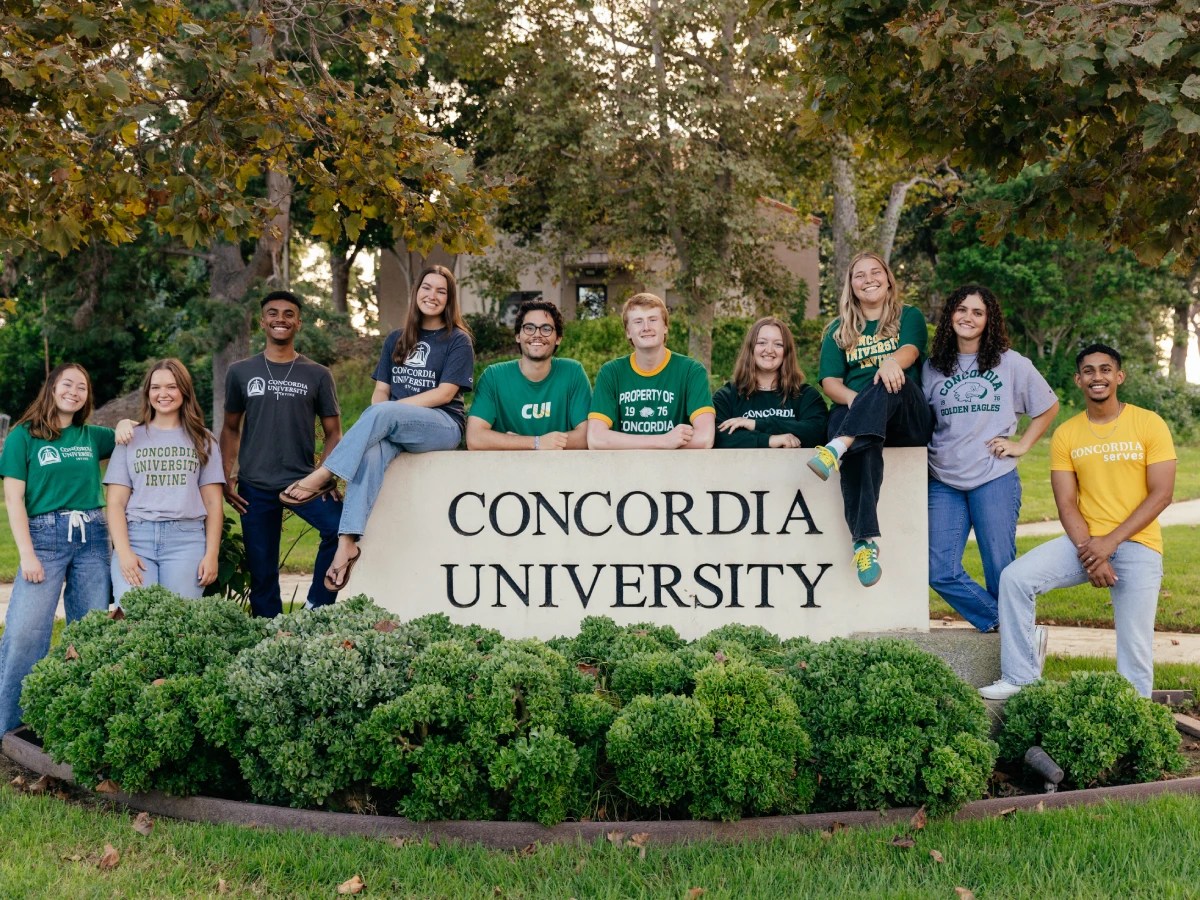
Join a community where you’re free to explore your interests and pursuits, make relationships that last a lifetime, and develop your own relationship with God. What will you explore?

Explore Financial Aid
Reduce your tuition costs with financial aid — with help from a team that wants to make your time at Concordia as affordable as possible.
Meet Our Faculty




FAQs
What does chemistry look like in college?
As a chemistry major, most of your courses will include lab work, which is learning time outside of the classroom where you’ll get hands-on experience in conducting experiments that bring lecture topics to life. You’ll also study organic, inorganic, analytical, and physical chemistry while learning how to apply theory to real-world challenges.
Are chemistry majors in demand?
Yes. Chemistry majors are valued across many industries, from healthcare and pharmaceuticals to materials science and education. Employment for chemists is expected to grow 5% between 2024 and 2034 — that’s about 4,700 openings a year, on average.1
Where do most chemists work?
Chemists have many options for industries and employers. In 2024, chemists were commonly employed in:1
- Chemical manufacturing (29%)
- Research and development in the physical, engineering, and life sciences (19%)
- Testing laboratories and services (11%)
- Federal government, excluding postal service (7%)
- Administrative and support and waste management and remediation services (3%)
Related Programs
-

Psychology
Study the mind and explore human behavior with a psychology…
-

Music
Develop your musical talent and inspire others with a music…
-

Mathematics
Join a fast-growing field when you earn an in-demand math…
-

Liberal Arts
Prepare for all of your life’s callings with a liberal…
-

History and Political Thought
Learn from the past to lead with understanding and purpose.
-

Graphic Design
Become a strategic, visual storyteller as a graphic design major.
-

English
Learn to think deeply and write clearly with an English…
-
Engineering
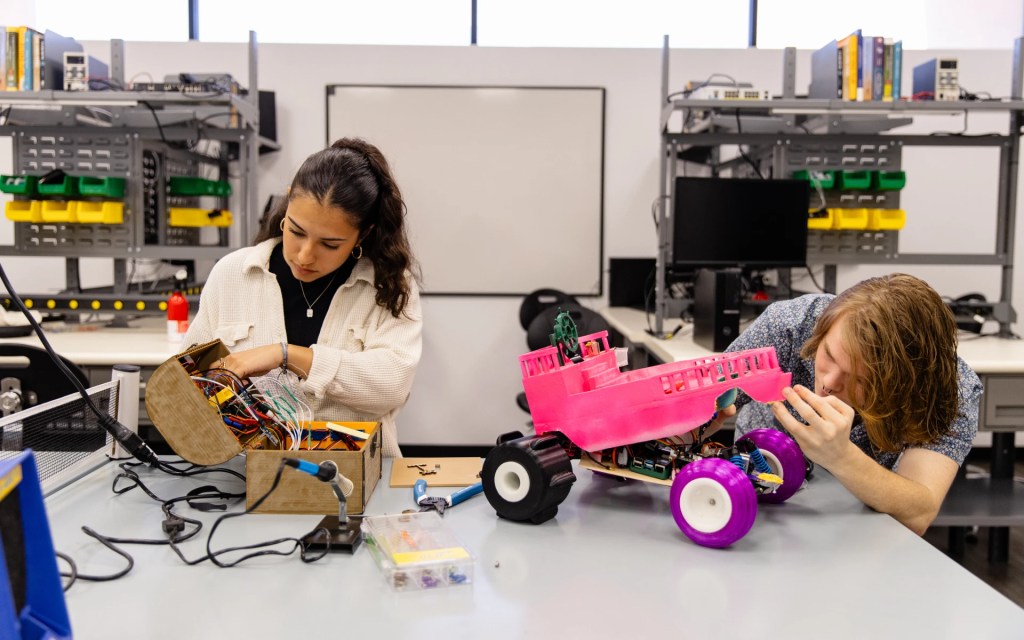
Imagine, innovate, and create with an engineering degree.
-

Digital Media Studies
Become a responsible, dynamic communicator in today’s digital age.
-
Data Science
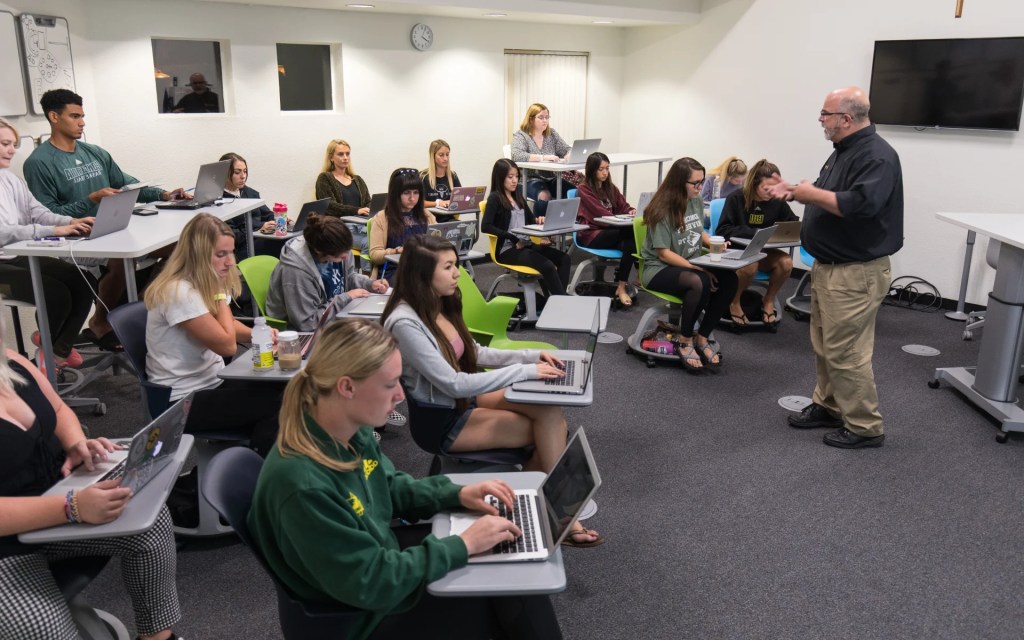
Solve real-world challenges with math, computer science, and data.
Sources
1U.S. Bureau of Labor Statistics, U.S. Department of Labor, on the internet, at:
- https://www.bls.gov/ooh/life-physical-and-social-science/chemists-and-materials-scientists.htm (viewed Oct. 22, 2025).
Cited projections may not reflect local and/or short-term economic or job conditions and do not guarantee actual job growth.