


Ph.D. in Counselor Education and Supervision
Teach and serve future generations of counselors.
Get Started Today
Ready to learn more about Concordia University Irvine?
Complete this form, and an admissions counselor will connect with you.
"*" indicates required fields
Transform Education and Expand Your Reach
Gain the expertise to teach, serve, and advocate for others at the highest academic level with the Ph.D. in Counselor Education and Supervision from the Townsend Institute at Concordia University Irvine.
As a Christ-centered doctoral program, Concordia positions you to develop into a competent, culturally informed counselor, educator, supervisor, scholar, leader, and advocate that promotes the wellness of all populations and systems. You’ll be empowered to advance the counseling field and effect positive societal change from a research-supported perspective, preparing you through a connected community of learners.
With a biblically informed perspective, you’ll demonstrate advanced skills, knowledge, and professional dispositions in the five core doctoral domains: counseling, supervision, teaching, research and scholarship, and leadership and advocacy. These were set by the Council for the Accreditation of Counseling and Related Educational Programs (CACREP), considered the gold standard in the field of counseling.
Note: While coursework can be completed online, the program requires two in-person residencies. This doctoral program is for licensed professionals in the mental health field and does not lead to licensing. If you’re seeking licensure, consider our M.A. in Counseling program.
Online and On Campus
Study online, and complete two residencies on campus.
In-Person Residencies
Make meaningful connections during two residencies.
$850/Unit
Financial aid is available to those who qualify.
Getting Started
Throughout the curriculum, you’ll engage with scholarly research, integrated learning, ethical leadership, effective communication, reflective practice, and community engagement applicable to your clinical supervision and expertise.
Your core courses at Concordia will consist of 30.5 units of the 60 total units needed to finish the program. You’ll also complete 15 units of research courses and 2.5 units of research seminars that take place concurrently with the coursework. This allows you to meet with your dissertation chair to begin developing your dissertation.

Next Start
March 15, 2027
Curriculum
Core Curriculum (Sample Courses):
- CES700 – Doctoral Studies Orientation in Counselor Education and Supervision
- CES701 – Professional Orientation, Ethics, and Identity for Counselor Educators
- CES702 – Instruction in Counselor Education and Supervision
- CES703 – Advanced Counseling and Career Theories
- CES704 – Counselor Supervision: Theories, Techniques, and Technology
- CES706 – Leadership, Consultation, and Program Evaluation in Counselor Education
- CES707 – Advanced Multicultural Issues in Counselor Education and Supervision
- CES799 – Residency II
View the Concordia University Irvine Online Catalog for a full list of courses.
Program Learning Outcomes (PLOs)
- Research (GLO: Scholarly Research)
Graduates will critically analyze, design and disseminate quantitative, qualitative and mixed methods research to conduct scholarly inquiry in the field of Counselor Education and Supervision - Counseling (GLO: Integrated Learning)
Graduates will demonstrate culturally informed clinical expertise and integration of counseling theories, counseling skills, and knowledge across multiple contexts of counseling and counselor education. - Teaching (GLO: Effective Communication)
Graduates will employ appropriate technology, diverse teaching and learning strategies, and professional writing related to teaching methods relevant to counselor education. - Supervision (GLO: Reflective Practice)
Graduates will apply theory, skills, and practices to clinical supervision that are ethical, developmentally appropriate, culturally sensitive, and evidence-based, to advance the field of counseling. - Leadership and Advocacy (Community Engagement)
Graduates will provide leadership and advocacy in the field of counselor education and supervision, and establish community partnerships that increase the reach and relevance of the counseling field. - Ethics and Identity (GLO: Ethical Leadership)
Graduates will establish a professional counselor educator identity in a variety of settings, while applying the standards of culturally informed ethical leadership supported by professional standards, Biblical values and Lutheran perspectives.
Program Mission Statement
As a Christ-centered counseling program, our mission is to develop competent, culturally informed counselors, educators, supervisors, scholars, leaders, and advocates to promote the wellness of all populations and systems. We are dedicated to preparing wise, honorable, cultivated citizens through a connected community of learners, empowering them to advance the counseling field and effect positive societal change from a research-supported perspective.
Accreditation
Council for Accreditation of Counseling and Related Educational Programs
The Council for Accreditation of Counseling and Related Educational Programs (CACREP) is a governing body that accredits master’s and doctoral degree programs in counseling and related programs that are offered by colleges and universities in the United States and throughout the world. Receiving accredited status means that the reviewed program substantially meets the critical quality-related program requirements for accredited status and assures that graduates have met the majority of the educational requirements for licensure or certification as a counselor in all states. Concordia University Irvine, in partnership with the Townsend Institute, chose to voluntarily undergo an extensive external review with CACREP to evaluate the quality of our Master of Arts in Counseling Program: Clinical Mental Health and Doctor of Philosophy in Counselor Education and Supervision and earned CACREP accreditation.
Residency
Concordia’s Ph.D. in counseling education and supervision requires two in-person residencies. These residencies provide you with an opportunity to meet with faculty, administrators, and industry professionals. You’ll also get to connect with your cohort to continue building professional relationships. Throughout each residency, you’ll engage in relevant work to show skills in the Townsend Institute’s core areas: counseling, supervision, teaching, research, leadership, and advocacy.
Tuition and Fees
At Concordia, we understand that investing in your education is a significant decision. That’s why we offer a variety of scholarships and financial aid options to help make your academic journey more affordable. View tuition costs and fees.
Admission Requirements
View the Graduate Application page for full details on application and admission requirements.
Townsend Information Sessions
Experience a new kind of relational education. Join us online for a Townsend Institute LIVE info night and hear from our faculty, academic advisors, current students, and alumni about their experience in the Townsend Institute.
Career Outcomes
The Ph.D. in counseling education is primarily designed for those whose goals include teaching college students to become counselors. The need for postsecondary teachers continues to grow, and from 2023 to 2033, it’s projected to grow faster than the average for all occupations.1 That’s about 118,900 openings, on average, each year during that timeframe.1
Research and Scholarship Opportunities
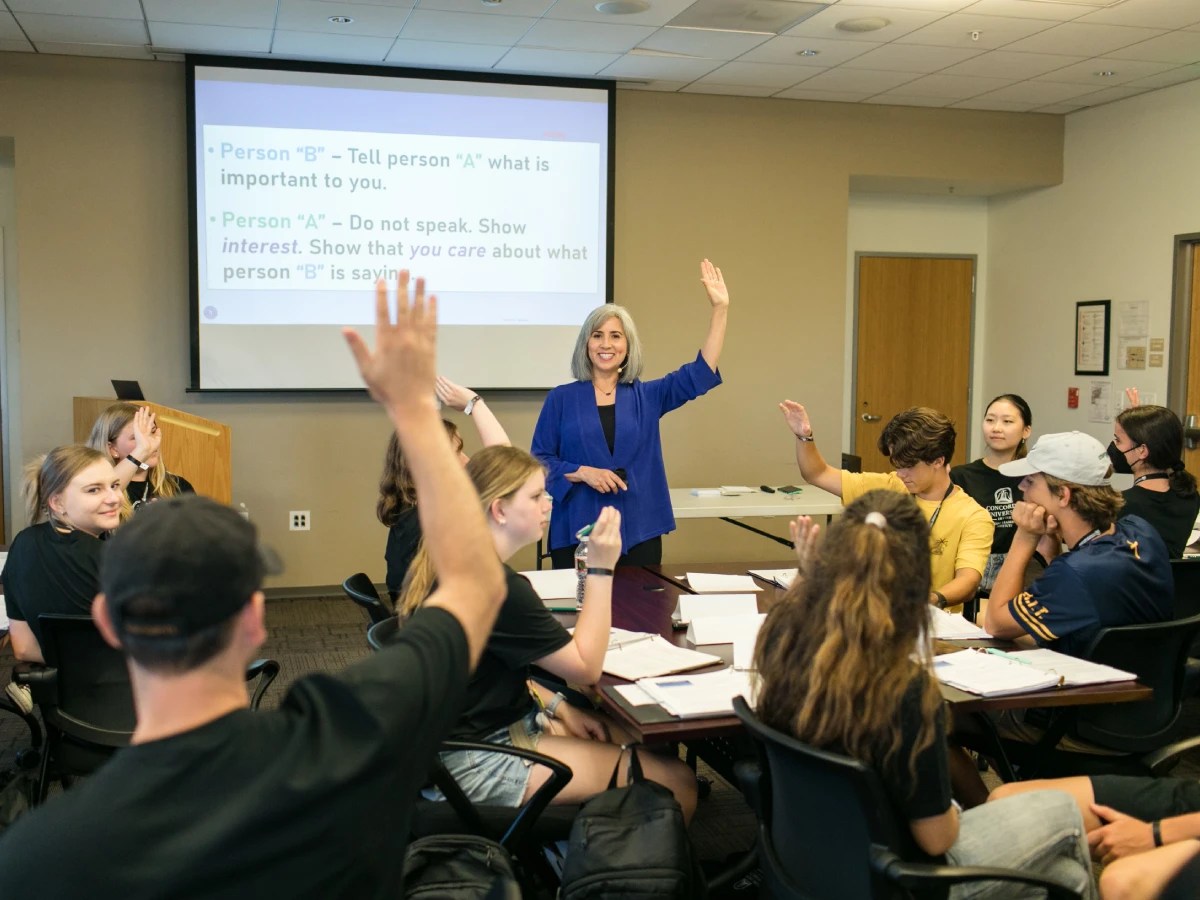
As a doctoral student at Concordia University Irvine, you will engage deeply with the research, scholarship, and professional practice shaping the future of counseling and counselor education. Through close collaboration with faculty mentors, students explore meaningful topics within clinical mental health counseling, counselor education, supervision, advocacy, wellness, and faith integration.
Faculty members are actively involved in research and professional scholarship, providing students with opportunities to contribute to empirical research, present at professional conferences, and participate in projects that advance the counseling profession. Throughout the program, students develop the critical thinking, research, and leadership skills necessary to serve clients, mentor future counselors, and contribute to the broader academic and professional community.
Concordia’s collaborative doctoral environment encourages students to engage thoughtfully with current challenges in the field while preparing to make meaningful contributions through research, teaching, supervision, and clinical practice.
Explore Financial Aid
Reduce your tuition costs with financial aid — with help from a team that wants to make your time at Concordia as affordable as possible.
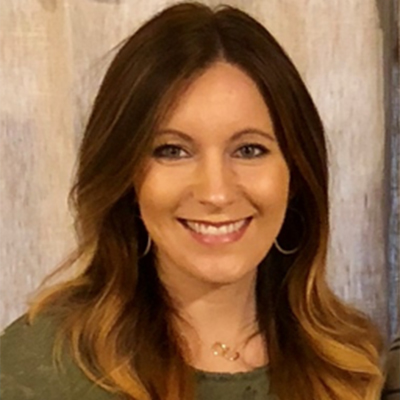
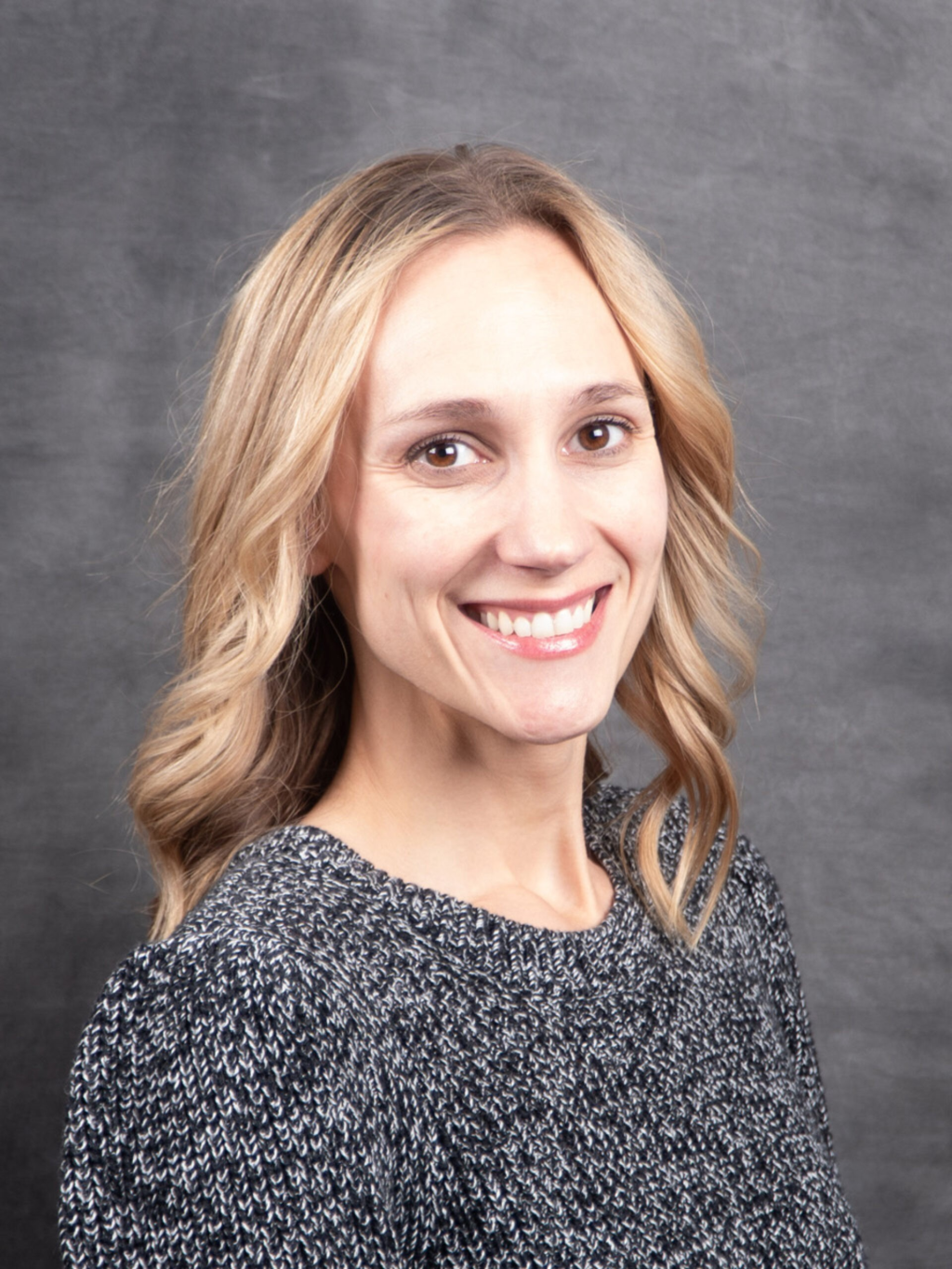
Meet Our Faculty













FAQs
What jobs can you get with a Ph.D. in Counselor Education and Supervision?
Beyond becoming an educator, a Ph.D. in Counselor Education and Supervision can set you up for roles like clinician-administrators, leader-advocates, researchers, scholars, and/or supervisors in the field of mental health counseling.
How long does a Ph.D. in counselor education take?
At Concordia, the Ph.D. in counseling education program was designed to be completed in 3-4 years. It’s considered an accelerated program that consists of coursework, fieldwork, residencies, and a dissertation.
Many doctoral programs are lengthier than their predecessors. Ph.D. programs can often take 4-6 years.
Is a Ph.D. in Counselor Education and Supervision worth it?
With mental health therapy losing the stigma it once had, more counselors are needed than ever. In fact, 1 in 5 adults experiences mental illness each year.2
Through Concordia’s Ph.D. in counseling education, you’ll position yourself as a leader in the industry, ready to teach others how to do the same. The program allows you to complete the education required to teach counseling in higher education.
Related Programs
-

Executive Coaching and Leadership – Ph.D.
Serve, lead, and transform the field of executive coaching and…
-

Marriage, Couple, and Family (MA Counseling)
Facilitate healing, growth, and renewal for couples and families.
-

Organizational Leadership
Revamp Your Leadership and Refine your Life Through Competence, Character…
-

Executive Coaching and Consulting
Get the training to help executives and teams lead most…
-

Clinical Mental Health (MA Counseling)
Help people move beyond coping to restoration with a master’s…
-
Professional Coaching Certificate
Help executives lead and thrive in the modern workplace.
-

Organizational Leadership: Professional Certification or Advanced Certification
Learn to lead at the next level with a leadership…
-

Leadership – Ed.D.
Earn your Ed.D. degree through hybrid or fully online classes.
Sources
1U.S. Bureau of Labor Statistics, U.S. Department of Labor, on the internet, at:
- https://www.bls.gov/ooh/education-training-and-library/postsecondary-teachers.htm (viewed Dec. 23, 2024).
2National Alliance on Mental Illness, Mental Health Conditions, on the internet, at:
- https://www.nami.org/about-mental-illness/mental-health-conditions/ (viewed Dec. 23, 2024).
Cited projections may not reflect local and/or short-term economic or job conditions and do not guarantee actual job growth.