


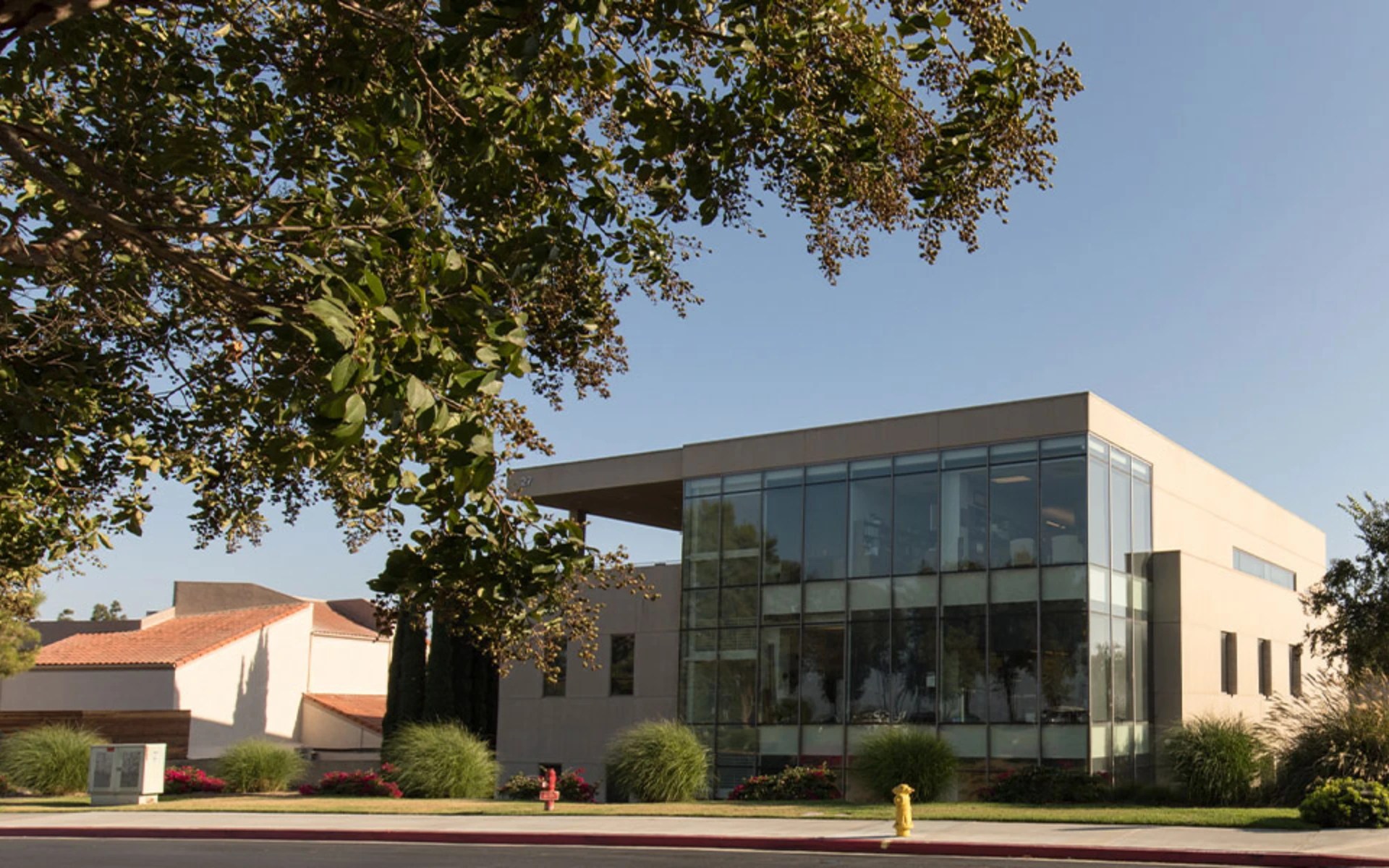
Office of Business Intelligence
Purpose
The Office of Business Intelligence at Concordia University provides analytical decision support services to university administration and faculty as well as various other university constituents. Its primary function is to serve as a catalyst in the efficient collection, analysis, and dissemination of data pertaining to the university. It is the repository of all institutional related data. It also collaborates with the university’s Educational Effectiveness Committee in designing and implementing assessment systems for academic programs, co-curricular activities, and staff departments. The Office of Business Intelligence fulfills its mission by serving as the focal point of university data and by conducting and supporting various studies pertaining to institutional improvement. While a substantial amount of independent research is performed by the office, a significant amount of the office’s resources are devoted to the support of university administration, committees, departments, faculty, and staff.
Vision
The Office of Business Intelligence at Concordia University Irvine will be the trusted source of actionable insights and strategic guidance, empowering Concordia University’s stakeholders to make informed decisions and drive continuous improvement through the efficient collection, analysis, and dissemination of institutional data.
Values
Values for the Office of Business Intelligence at Concordia University guided by the Association for Institutional Research’s Statement of Ethical Principles:
- Excellence: Striving for exceptional quality in data collection, analysis, and dissemination to provide accurate and reliable decision support services.
- Collaboration: Foster partnerships and collaborative relationships with university administration, faculty, committees, and staff to promote effective assessment systems and institutional improvement.
- Integrity: Uphold the highest standards of ethical conduct, confidentiality, and data security in handling and managing institutional data.
- Innovation: Embrace innovative technologies and methodologies to enhance data collection, analysis, and reporting processes, staying at the forefront of business intelligence practices.
- Accountability: Take responsibility for the accuracy, completeness, and timeliness of data collected and ensure transparency in reporting and communication with stakeholders.
- Continuous Improvement: Strive for continuous learning and improvement in data collection methodologies, analytical techniques, and the delivery of decision support services to meet the evolving needs of the university.
- Empowerment: Empower university stakeholders with the necessary knowledge and skills to effectively leverage data, fostering data literacy and promoting a data-informed culture throughout the institution.
Department Objectives/Assessment Plan
Objective: Evaluate the effectiveness of data collection processes
Assessment Methods:
- Review data collection protocols and procedures to identify any gaps or inefficiencies
- Conduct surveys or interviews with stakeholders to gather feedback on the ease, accuracy, and comprehensiveness of data collection
- Analyze the timeliness and completeness of data collected compared to established targets
Assessment Methods:
- Percentage of data collection protocols and procedures reviewed and updated
- Stakeholder satisfaction survey results on data collection processes
- Timeliness and completeness metrics of collected data
Objective: Assess the quality and usefulness of data analysis and reporting
Assessment Methods:
- Evaluate the accuracy, relevance, and comprehensiveness of data analysis and reporting outputs
- Conduct feedback sessions or interviews with key stakeholders to gather their perception of the usefulness and clarity of the provided insights
- Compare the recommendations or decisions made based on data analysis with actual outcomes
Assessment Methods:
- Accuracy and relevance of data analysis and reporting outputs
- Stakeholder feedback on the usefulness and clarity of insights
- Alignment between data-driven recommendations and actual outcomes
Objective: Measure the effectiveness of data dissemination processes
Assessment Methods:
- Assess the accessibility and usability of disseminated data by conducting user testing or surveys
- Monitor data dissemination timelines and evaluate the effectiveness of communication channels used
- Gather feedback from stakeholders on the format and comprehensibility of disseminated data
Assessment Methods:
- User satisfaction ratings on data accessibility and usability
- Timeliness metrics for data dissemination
- Stakeholder feedback on the format and comprehensibility of disseminated data
Objective: Evaluate the impact of the Office of Business Intelligence’s collaboration with University committees
Assessment Methods:
- Review the design and implementation of assessment systems for academic programs, co-curricular activities, and staff departments
- Analyze the extent to which assessment results are used for decision-making and improvement
- Collect feedback from stakeholders on the value and effectiveness of collaboration efforts
Assessment Methods:
- Assessment system design and implementation review results
- Utilization of assessment results in decision-making
- Stakeholder feedback on the value and effectiveness of collaboration efforts
Objective: Assess the impact of the Office of Business Intelligence’s research initiatives
Assessment Methods:
- Analyze the outcomes and impacts of independent research studies conducted by the office
- Collect feedback from stakeholders on the relevance and applicability of research findings
- Monitor the adoption or implementation of recommendations from research studies
Assessment Methods:
- Outcomes and impacts of independent research studies
- Stakeholder feedback on the relevance and applicability of research findings
- Adoption or implementation rates of research recommendations
Objective: Measure the level of data literacy and awareness among university stakeholders
Assessment Methods:
- Conduct surveys or assessments to gauge the knowledge and understanding of data-related concepts among stakeholders
- Evaluate the effectiveness of data literacy training programs or resources provided
- Monitor the utilization of data-informed decision-making practices by stakeholders
Assessment Methods:
- Data literacy assessment results
- Evaluation of data literacy training programs or resources
Committee/Taskforce Work
- Academic Council – current
- Educational Effectiveness Committee – current
- Retention and Persistence Committee – current
- Institutional Review Board (IRB) – current
- Data Governance Committee – current
- Data Stewardship Working Group – current
- DGC: Information Quality Taskforce – current
- DGC: Policies and Standards – current
- LMS Review Taskforce – concluded
- Cost of Instruction Taskforce – concluded
- Program Prioritization Taskforce – concluded
Get in Touch
To submit a data request, please visit the Concordia Helpdesk. From there, choose the Data and Technology Department and underneath that, the Data/Reporting/Email Blast Category.
Office of Business Intelligence
1530 Concordia West
Irvine, CA 92612-3203
Data Request: Concordia Helpdesk